As environmental regulations continue to evolve, Brazil is placing increasing emphasis on proactive biofouling management to reduce the transfer of invasive aquatic species. For vessel operators trading to Brazilian ports, maintaining a clean underwater hull and demonstrating effective biofouling management are becoming increasingly important components of voyage planning.
Professional underwater inspection, documented condition assessment, and underwater hull cleaning not only help support regulatory compliance but also improve vessel efficiency, reduce fuel consumption, and minimise operational risks associated with excessive marine growth.
Understanding Brazil’s Biofouling Management Requirements
Like several environmentally regulated regions around the world, Brazil has strengthened its approach to managing biofouling on arriving vessels. The accumulation of marine organisms on a vessel’s underwater hull can contribute to the spread of invasive aquatic species between ecosystems, making proactive biofouling management an important consideration for shipowners and operators.
While the specific requirements may vary depending on the vessel and trading pattern, operators are increasingly expected to demonstrate effective biofouling management before arrival. Maintaining a clean hull through underwater inspection, professional cleaning, and appropriate documentation forms an important part of this process.
Dive Marine Services has extensive experience supporting vessels trading to environmentally regulated regions. Since 2021, our teams have successfully completed more than 120 underwater hull cleaning operations in accordance with Australian, New Zealand, and Brazilian biofouling requirements, helping shipowners minimise compliance risks while avoiding unnecessary operational delays.
Preparing a 13,000 TEU Container Vessel for Brazil
Most recently, Dive Marine Services successfully completed a full underwater hull cleaning operation on a 13,000 TEU container vessel in South Korea in preparation for its voyage to Brazil, supporting the vessel’s compliance with the Brazilian Government’s Biofouling Management requirements.
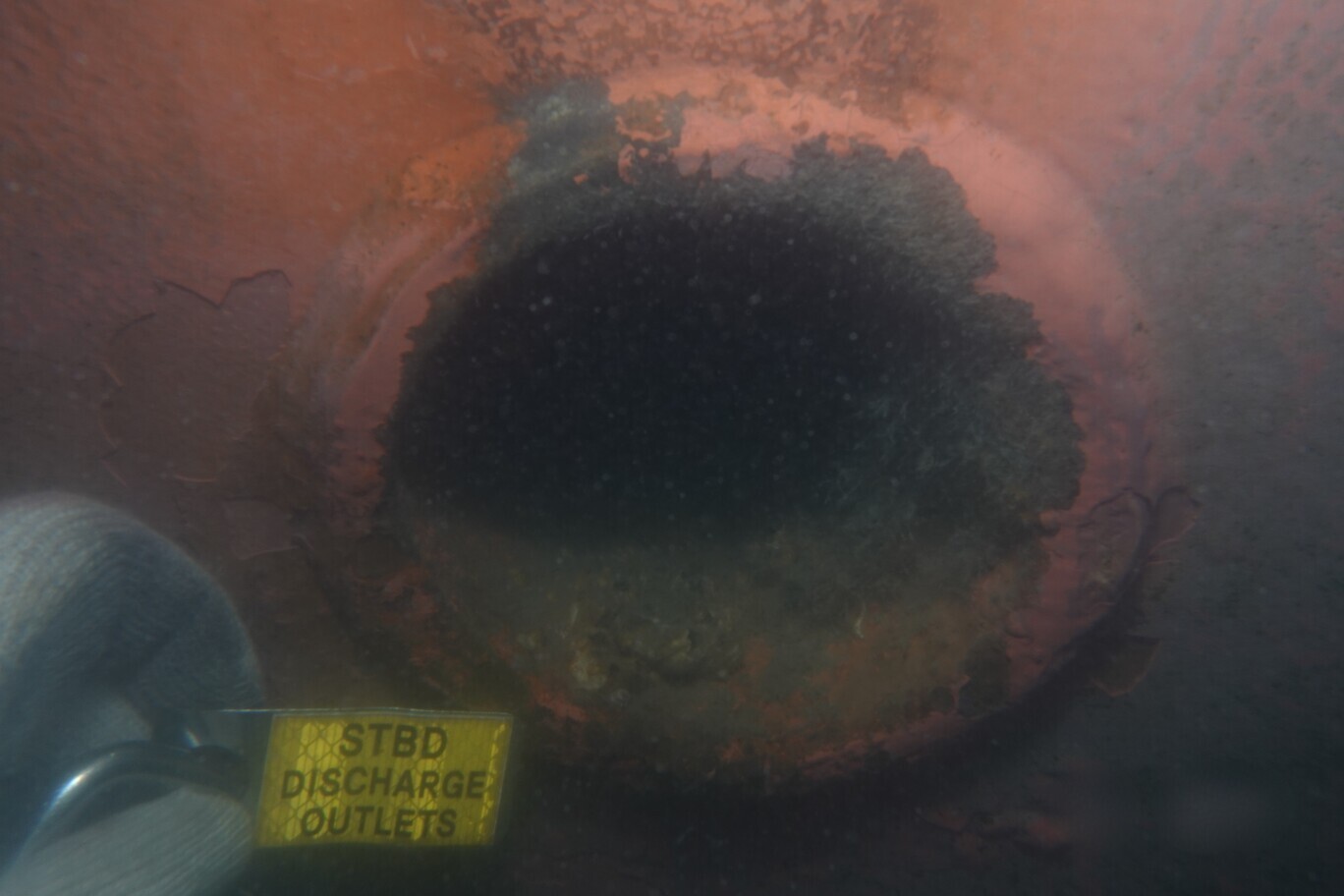
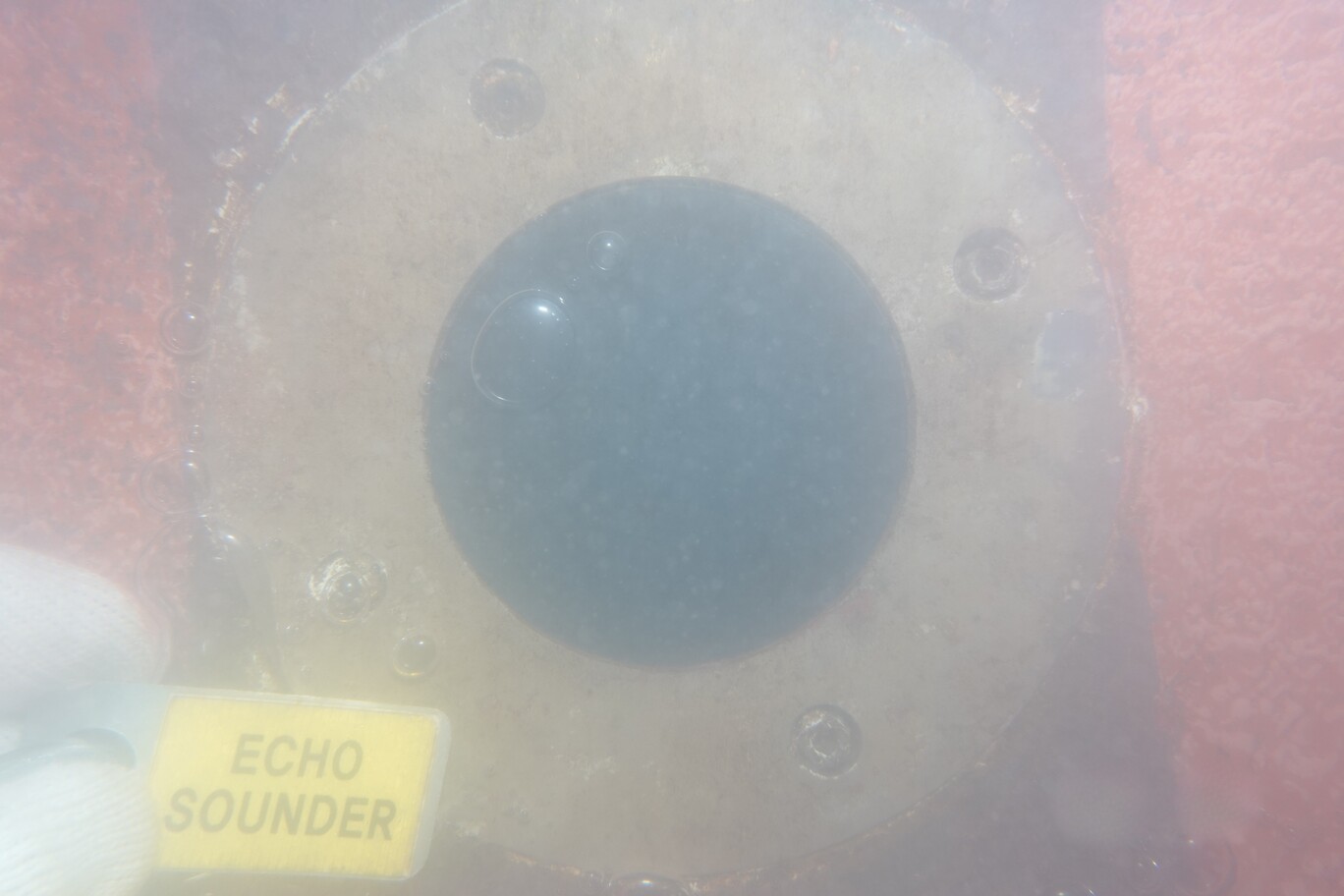
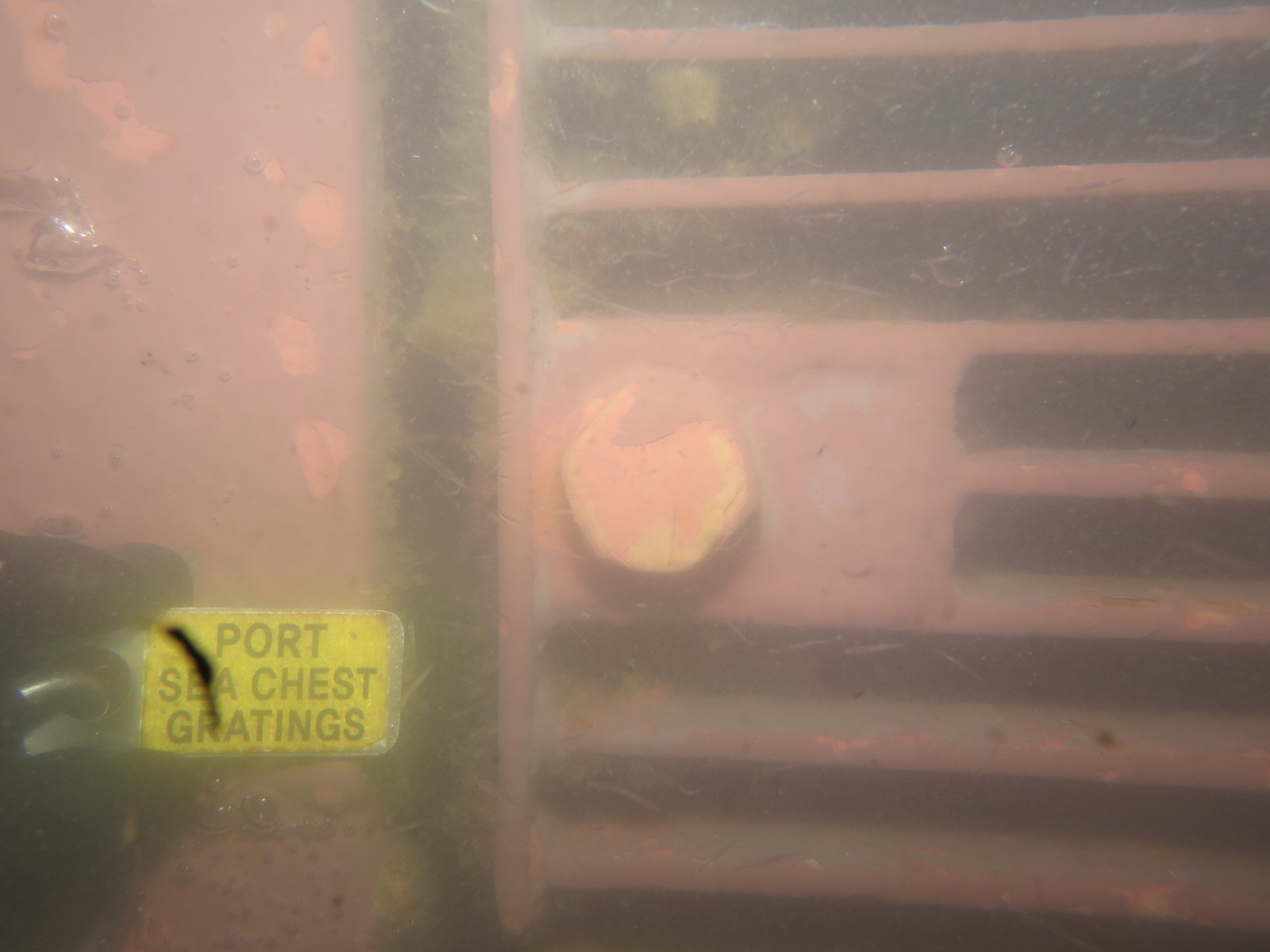
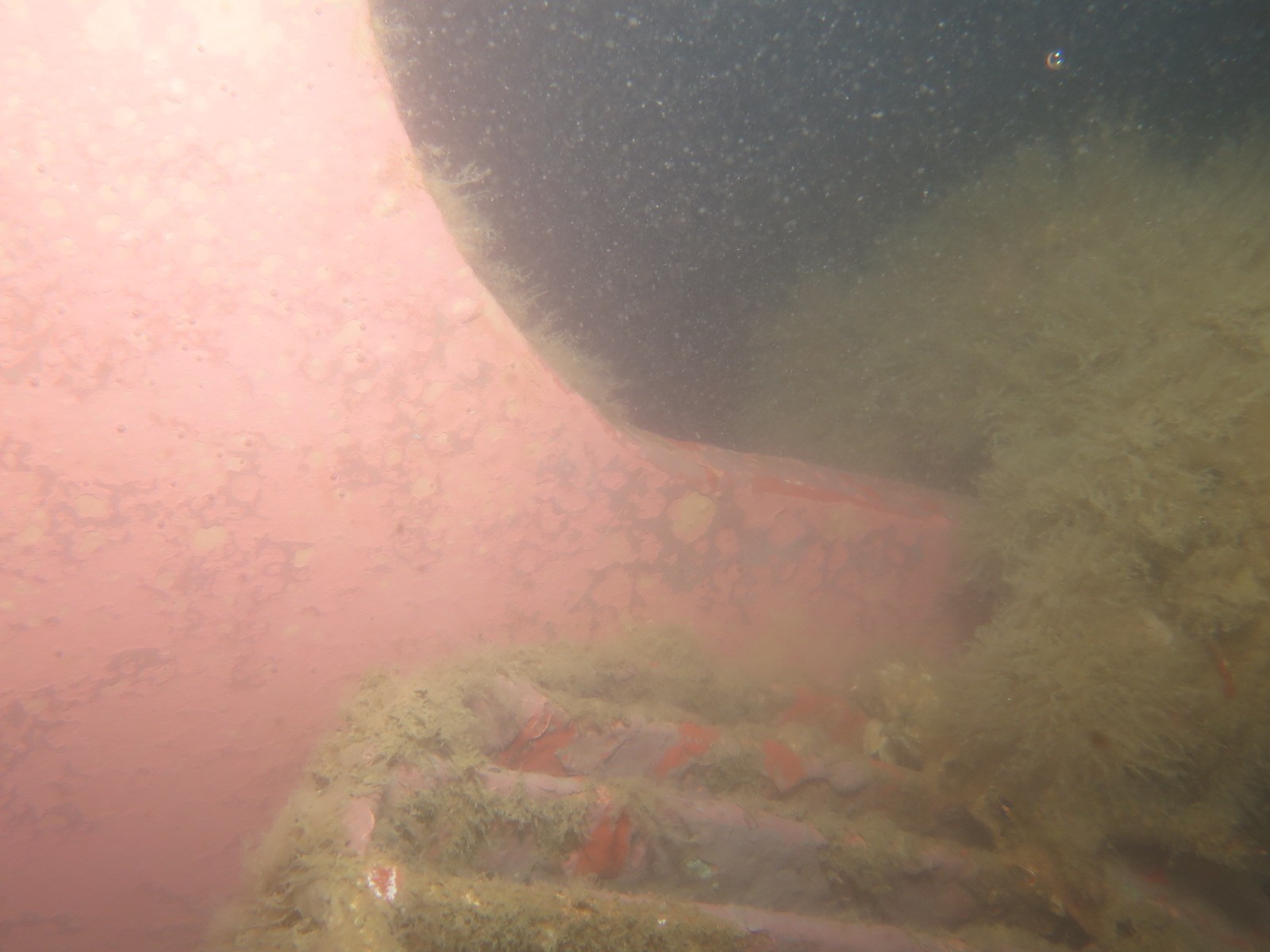
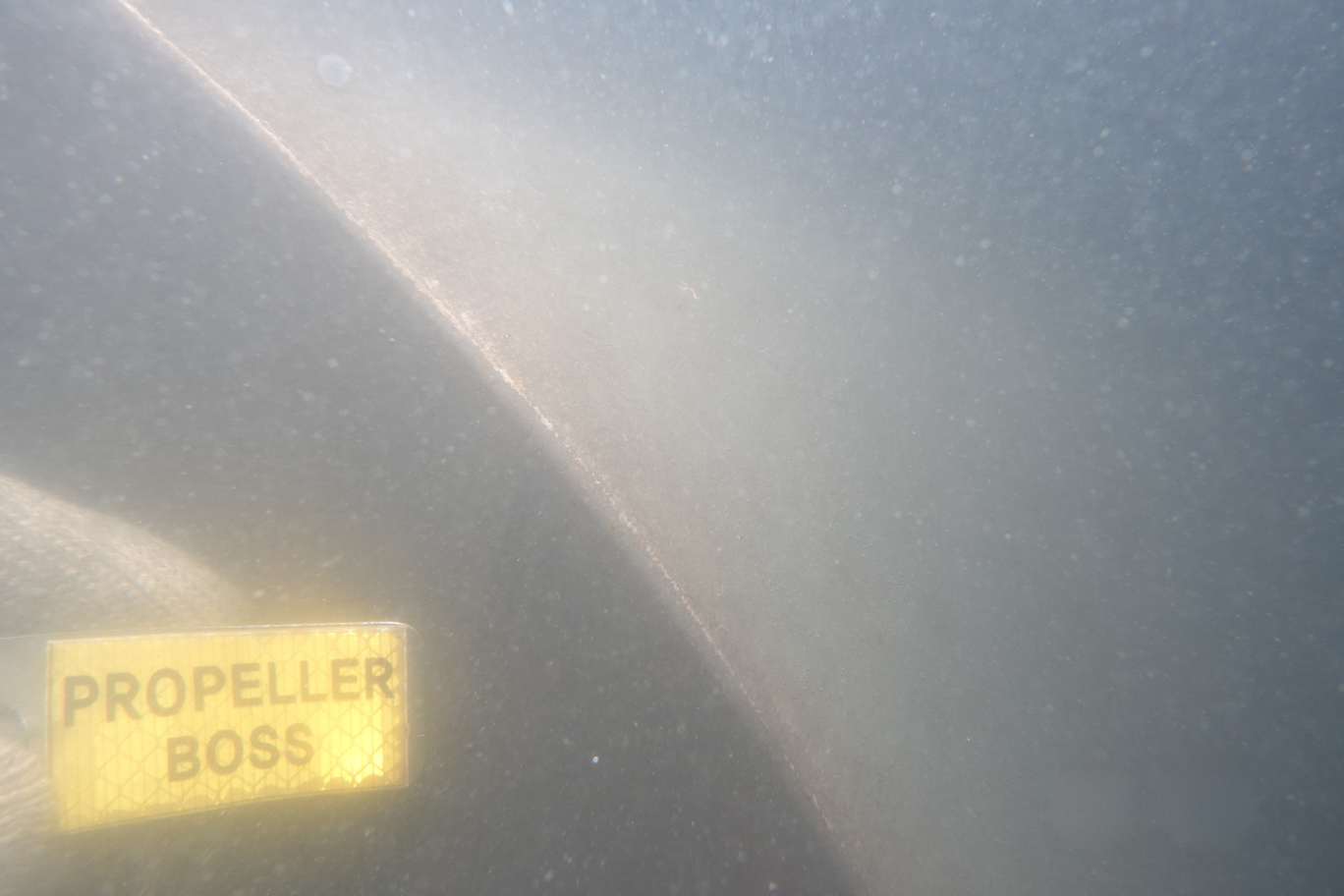
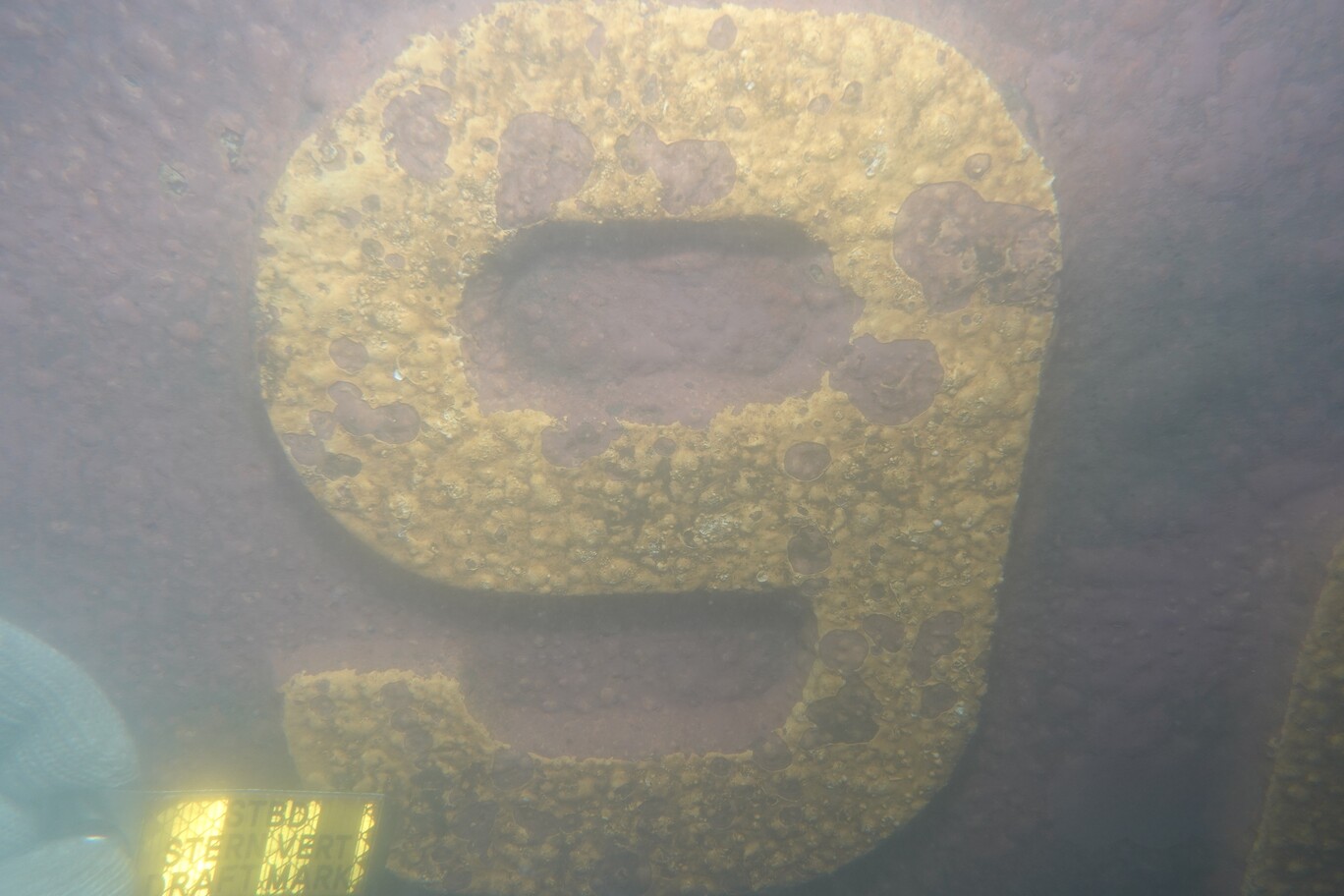
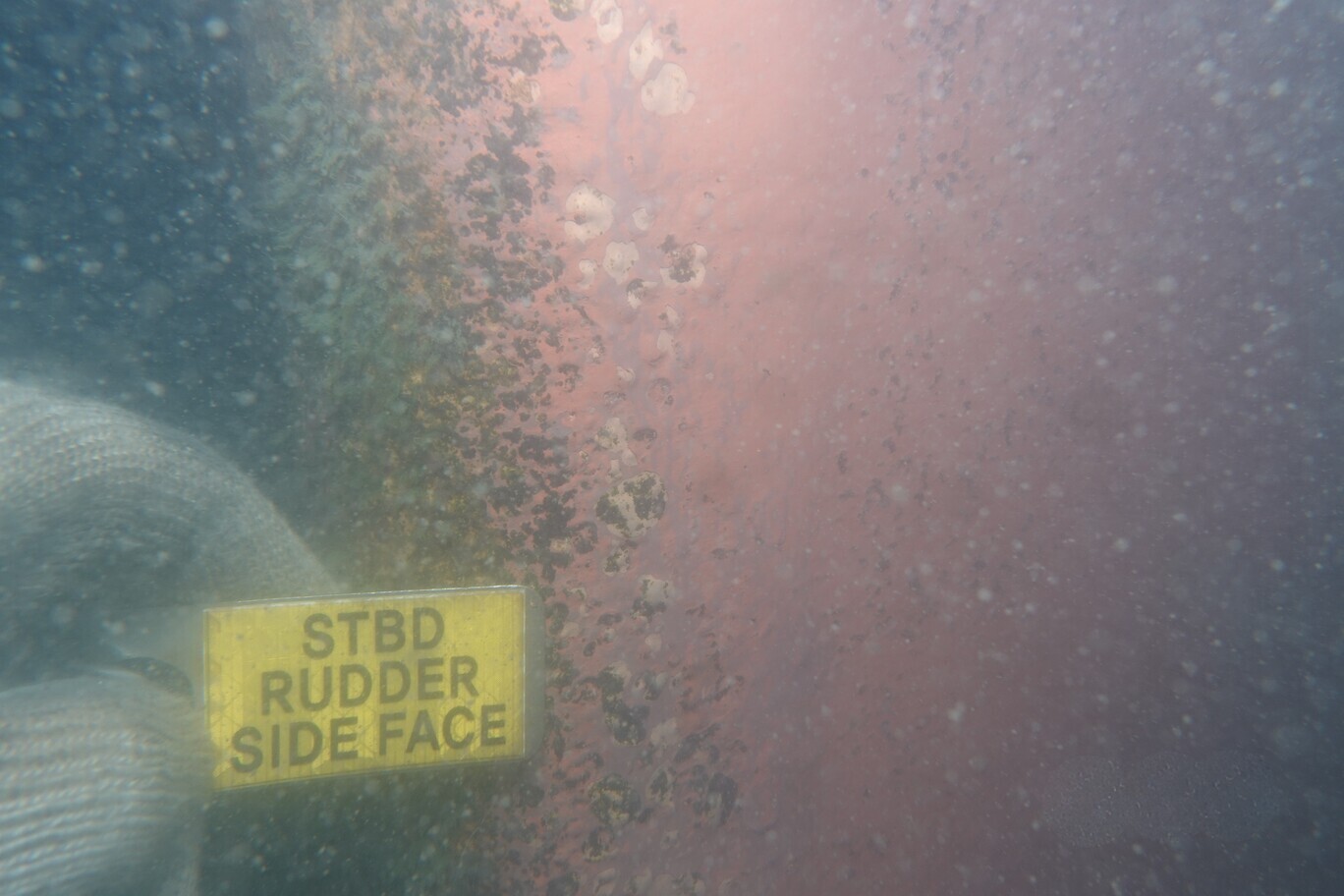
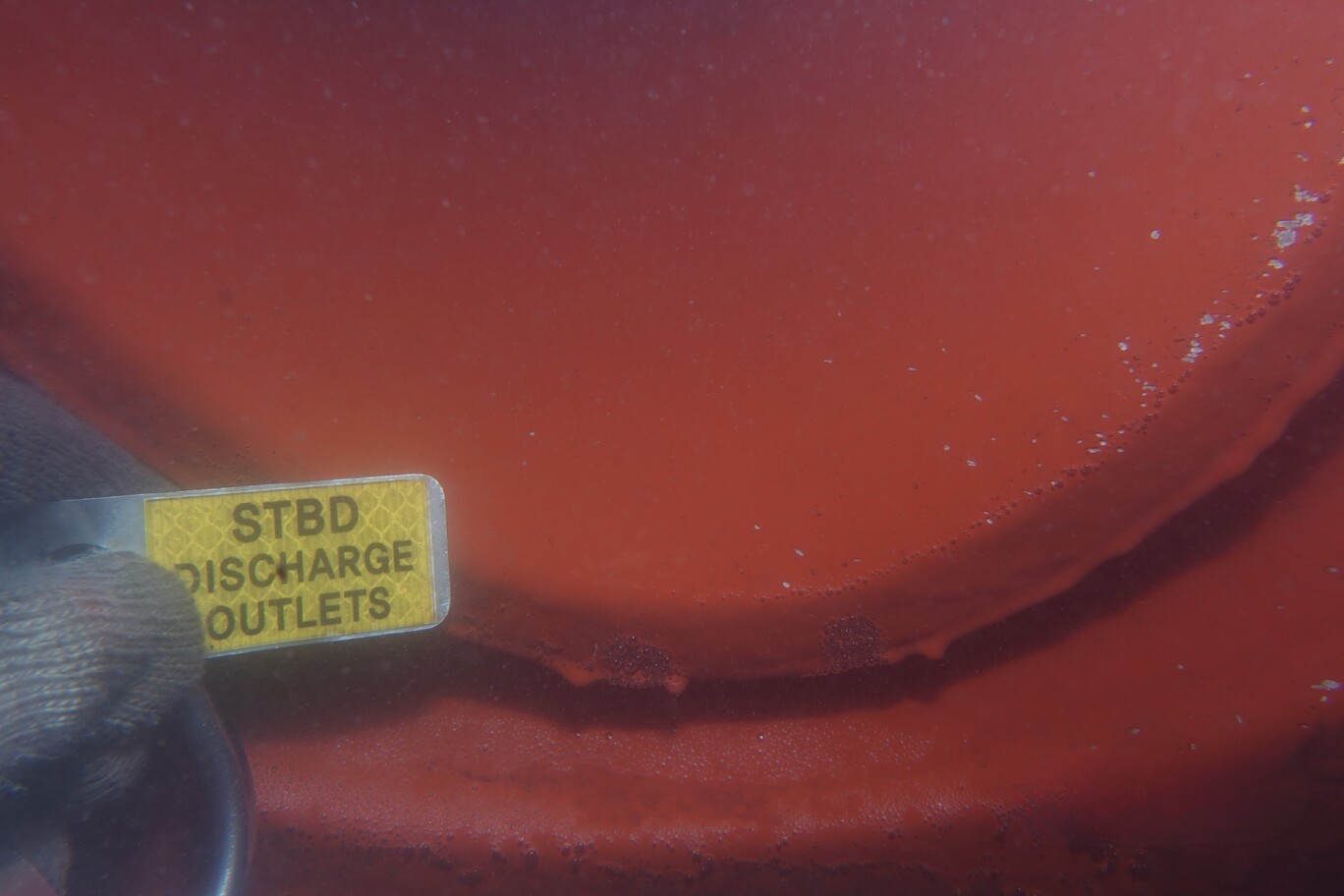
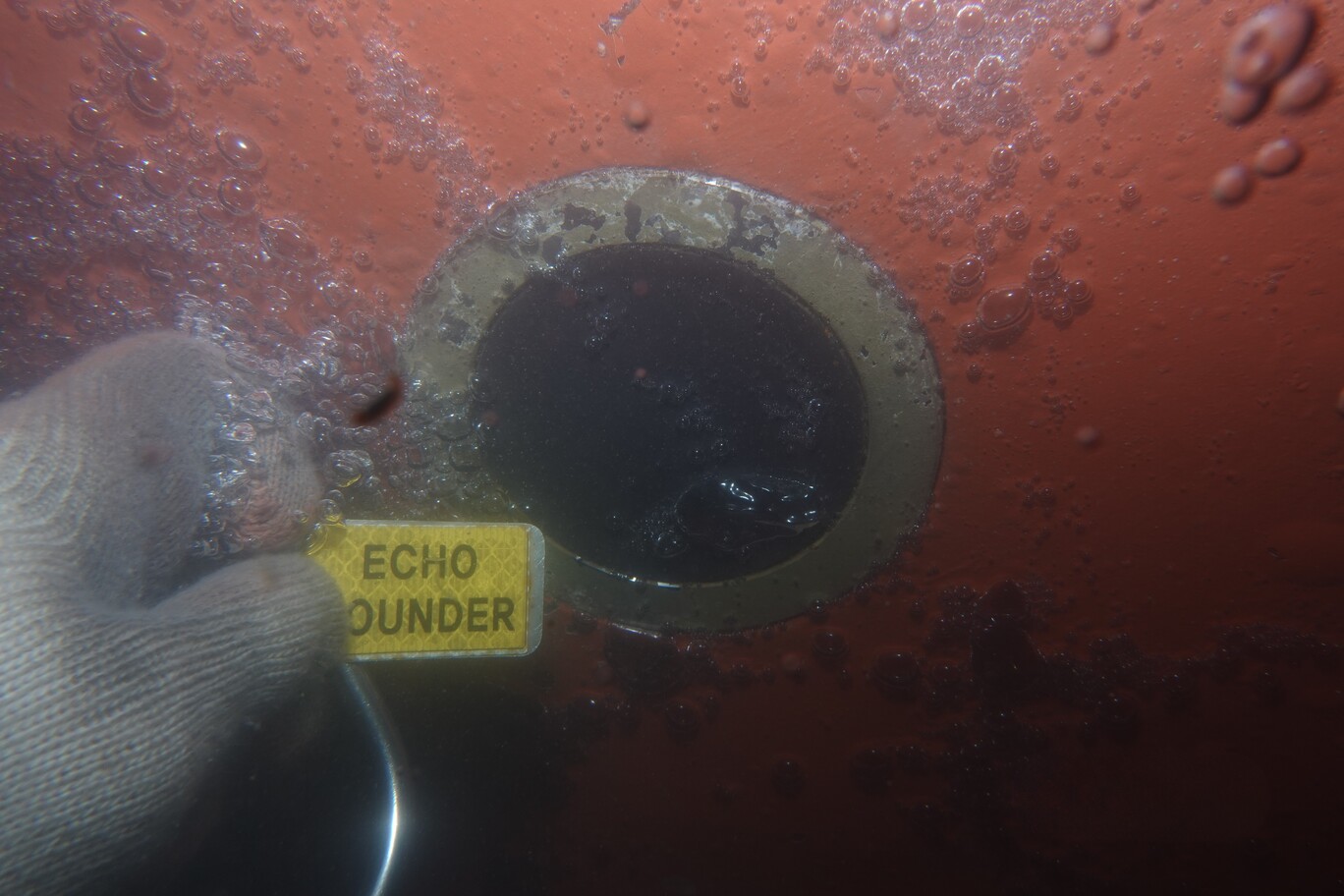
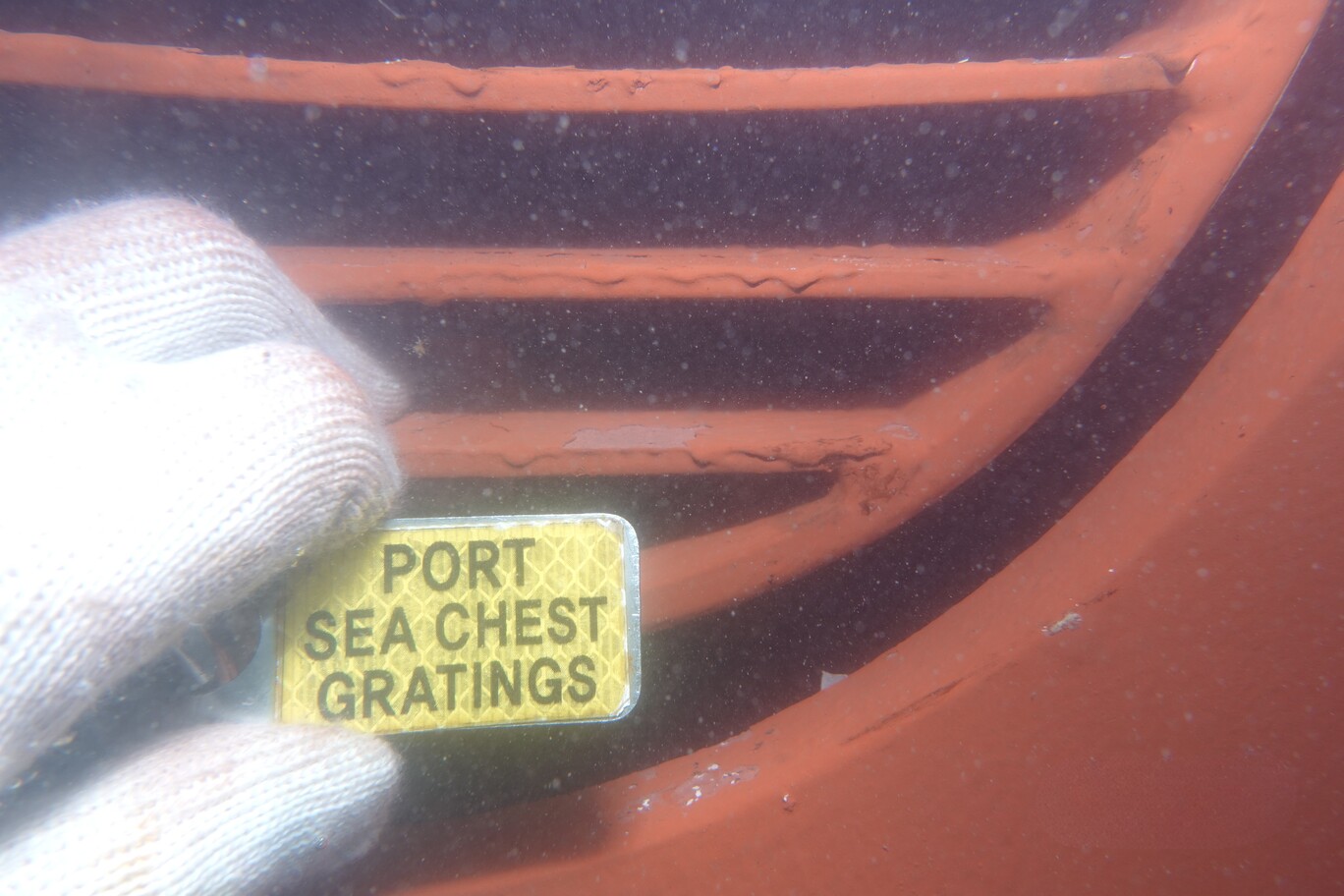
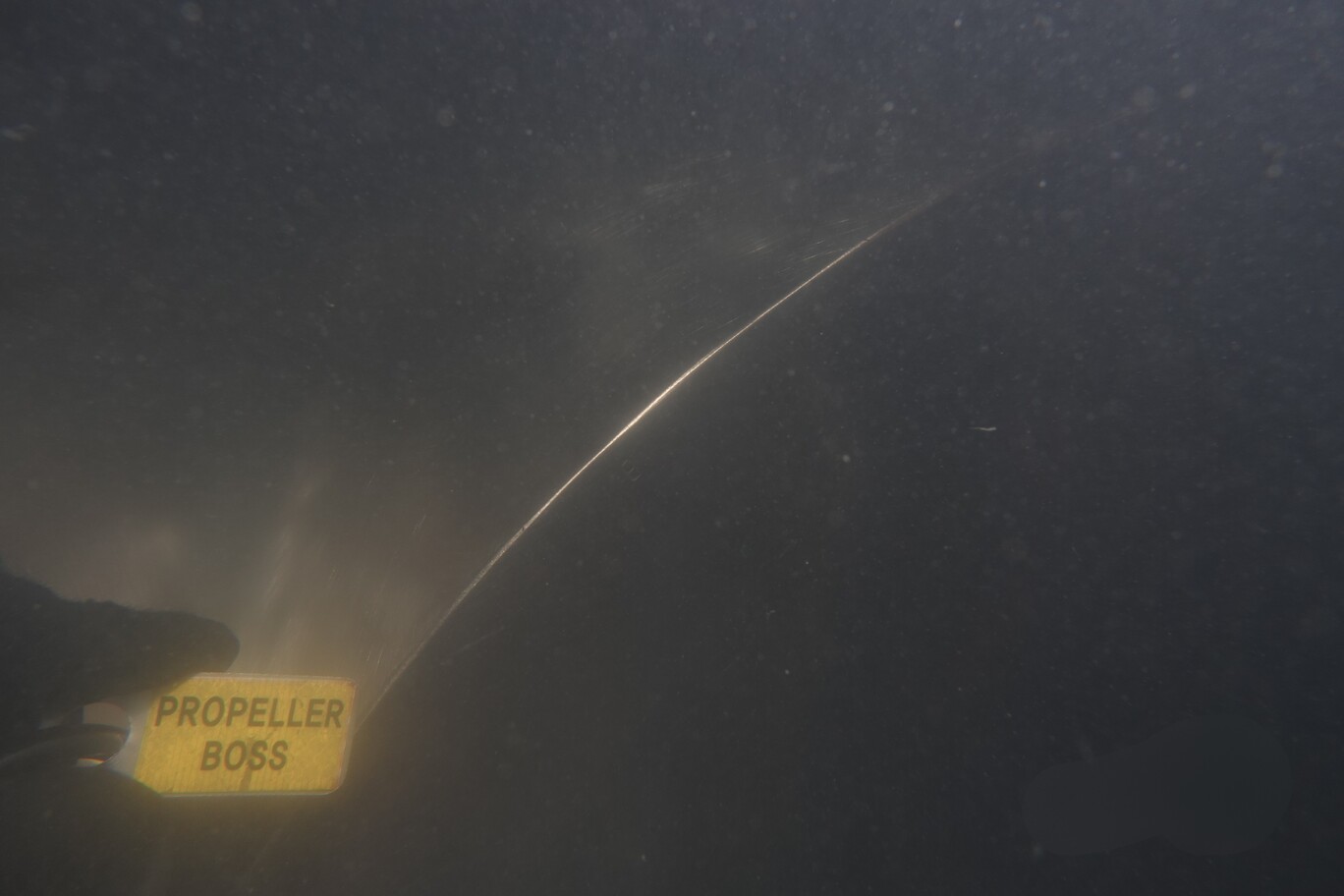
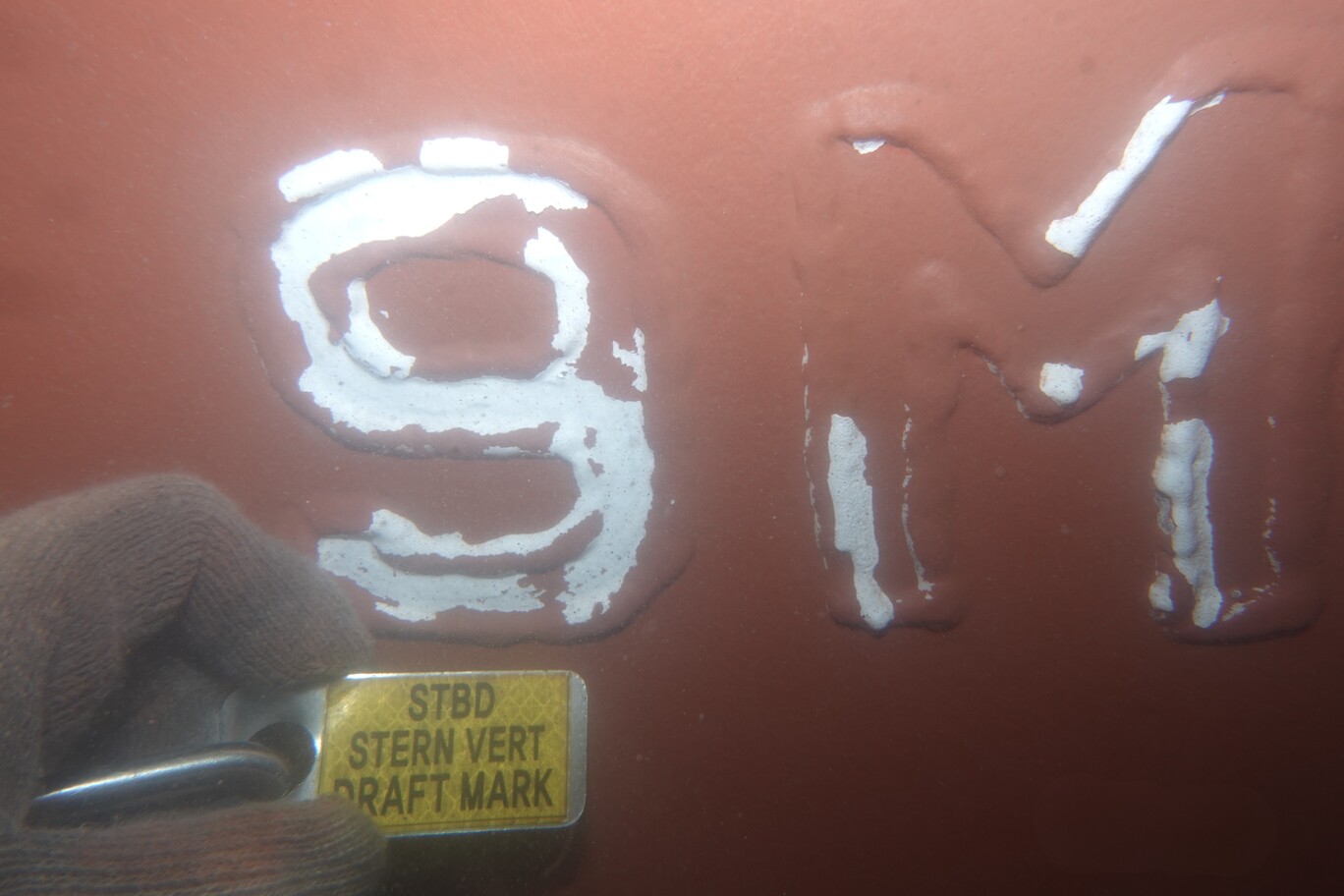
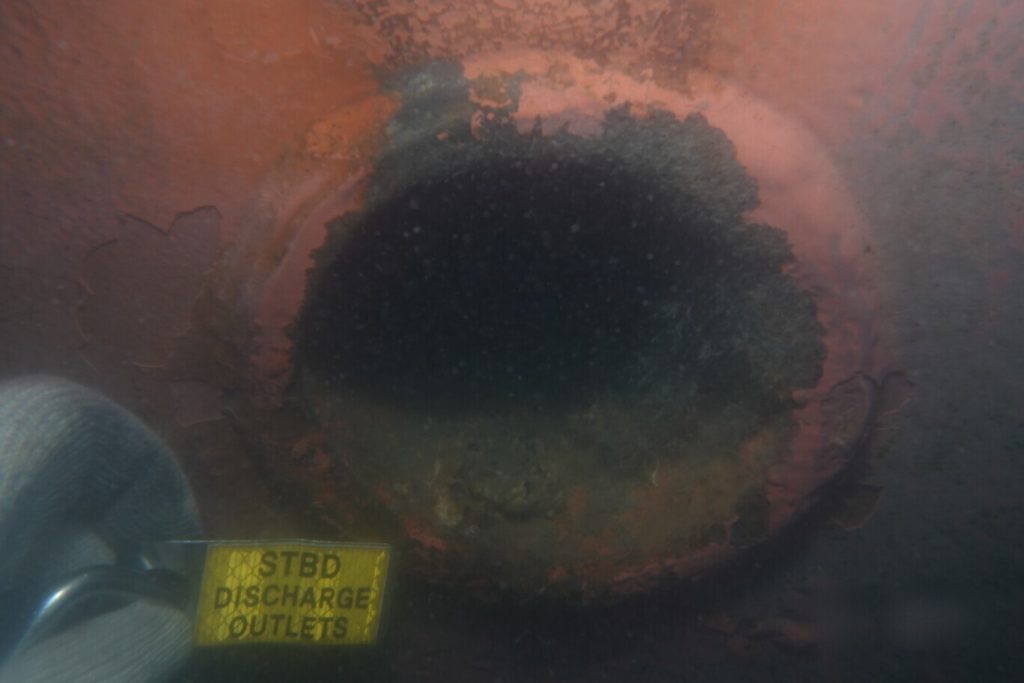
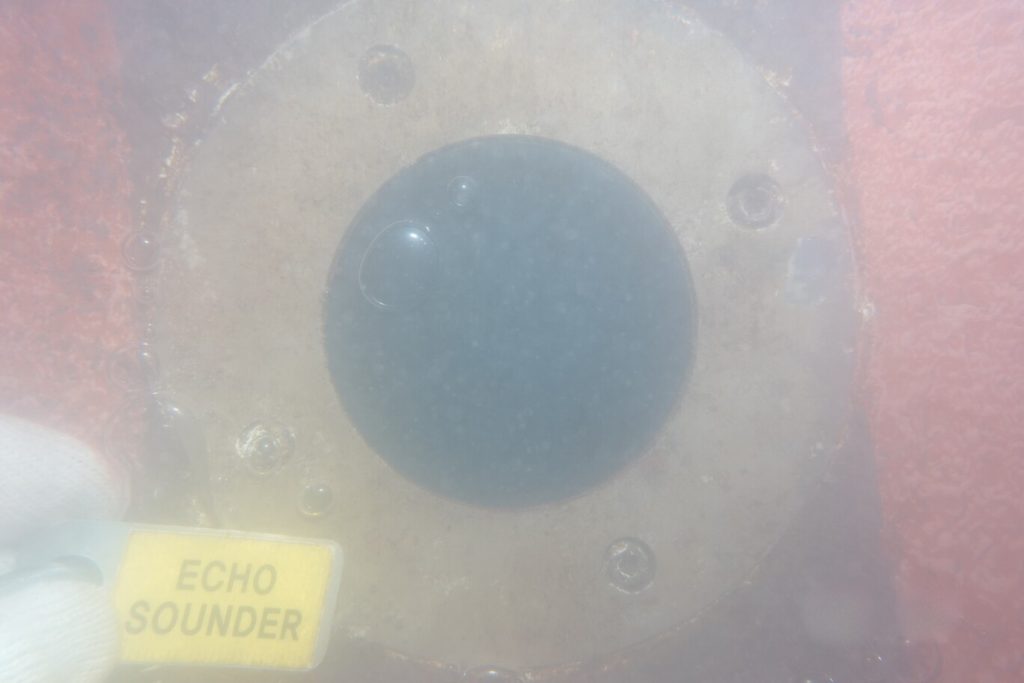
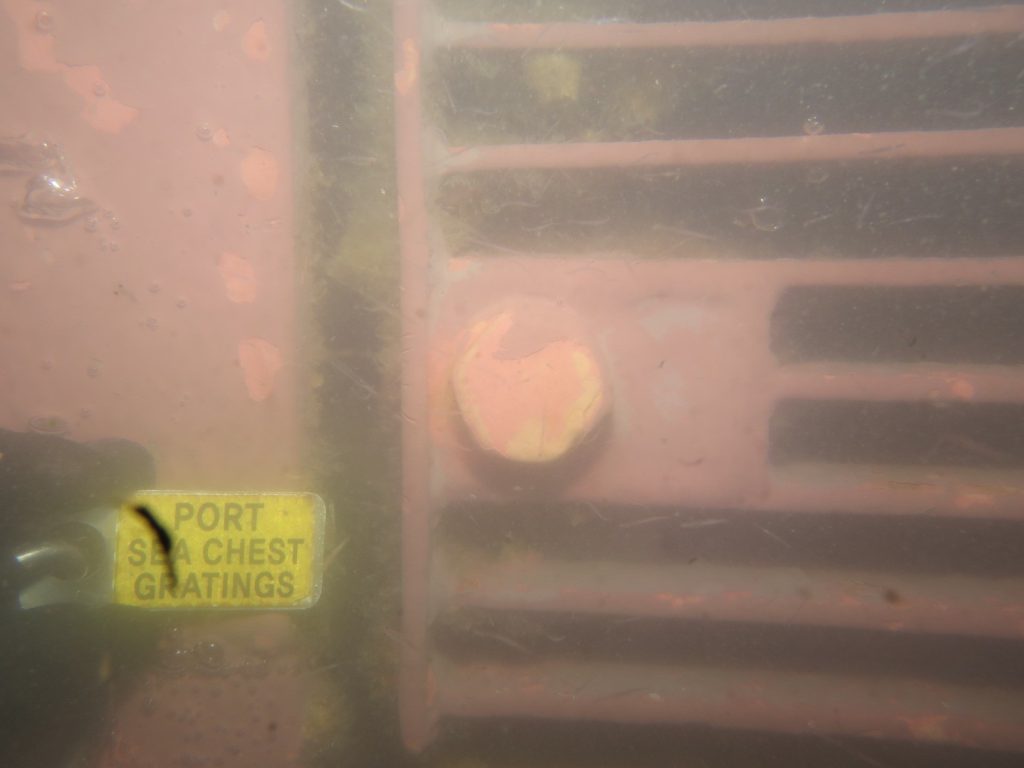
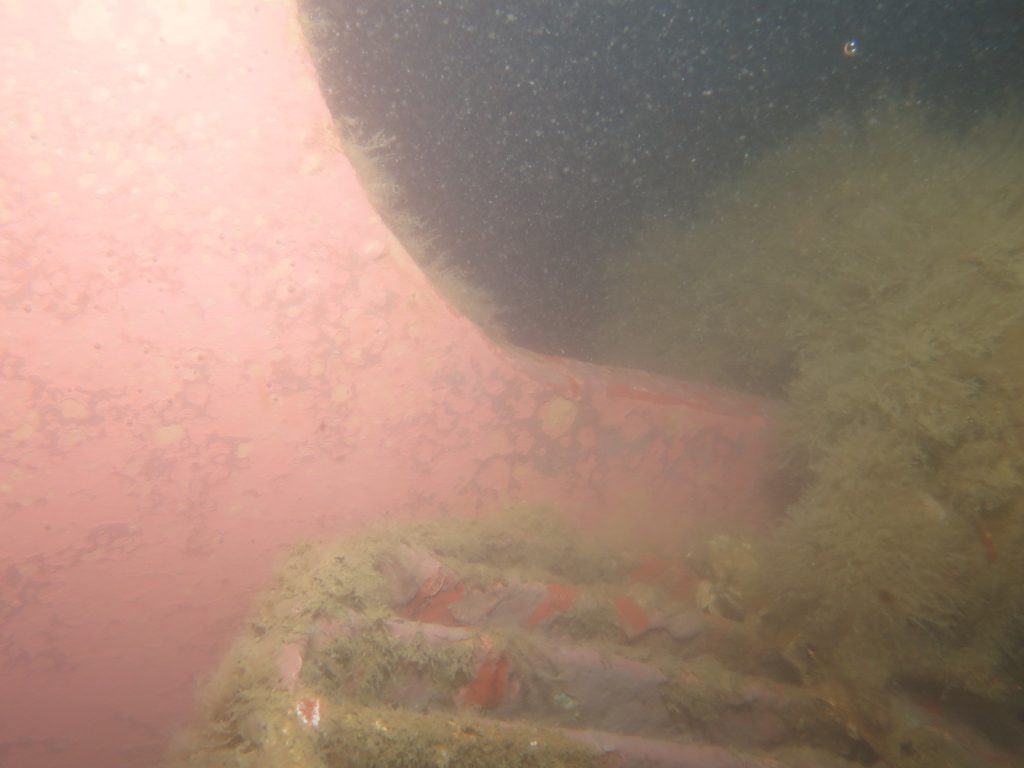
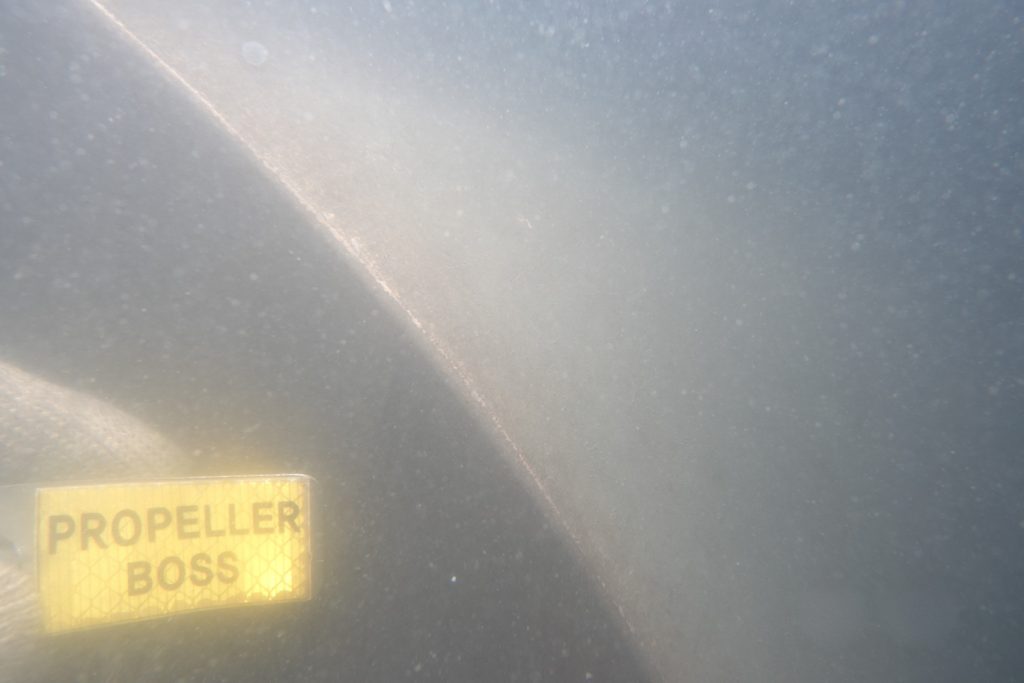
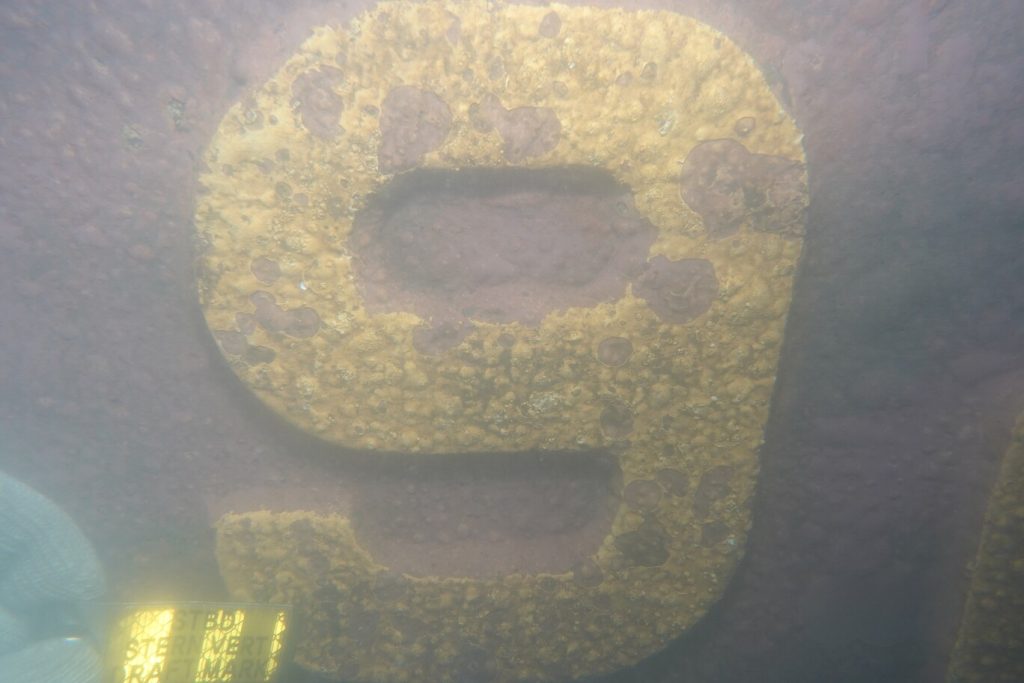
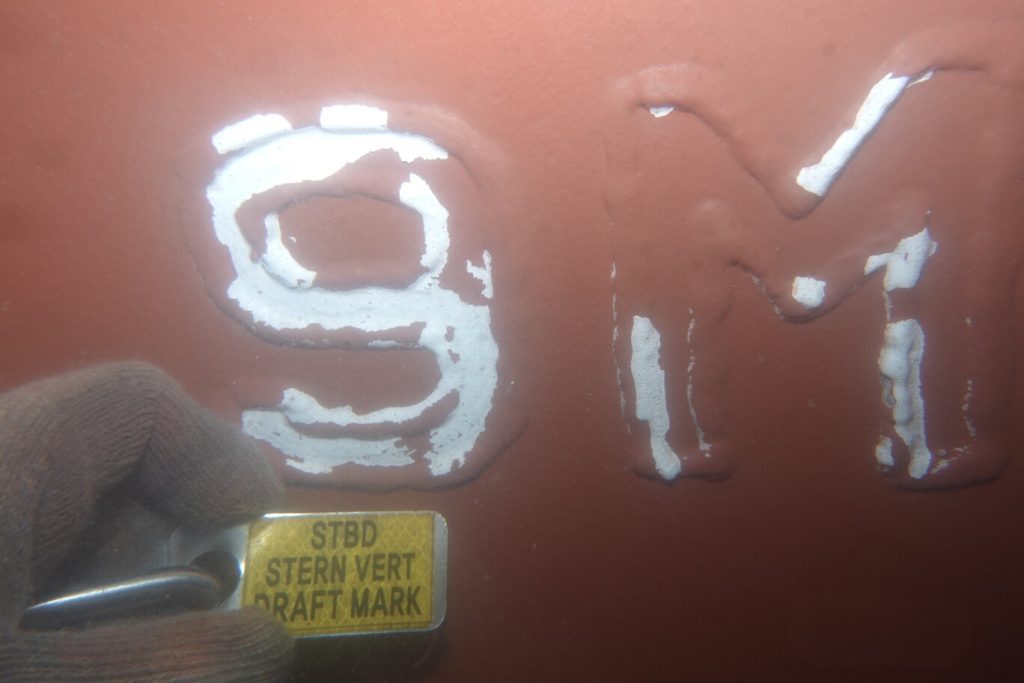
Prior to cleaning, our team carried out a comprehensive underwater inspection, supported by photographic documentation, to assess the vessel’s fouling condition. The hull was assessed as IMO Fouling Rating 2 or above, with light to medium macrofouling identified across the underwater hull and niche areas. This assessment enabled our team to select the most appropriate cleaning methodology while considering both the vessel’s coating system and the extent of fouling.
Combining Commercial Divers and Advanced ROV Technology

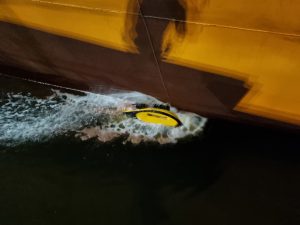
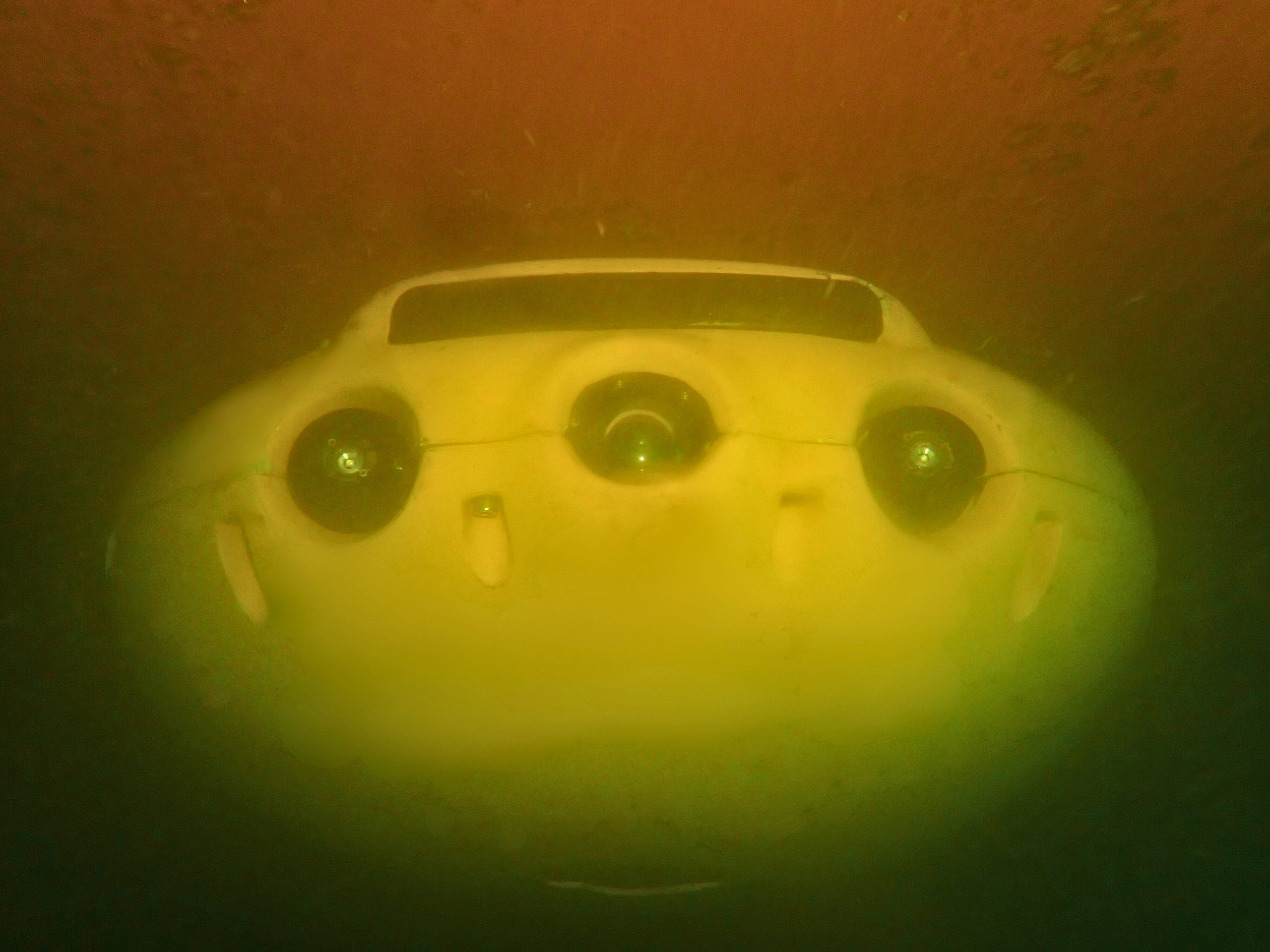
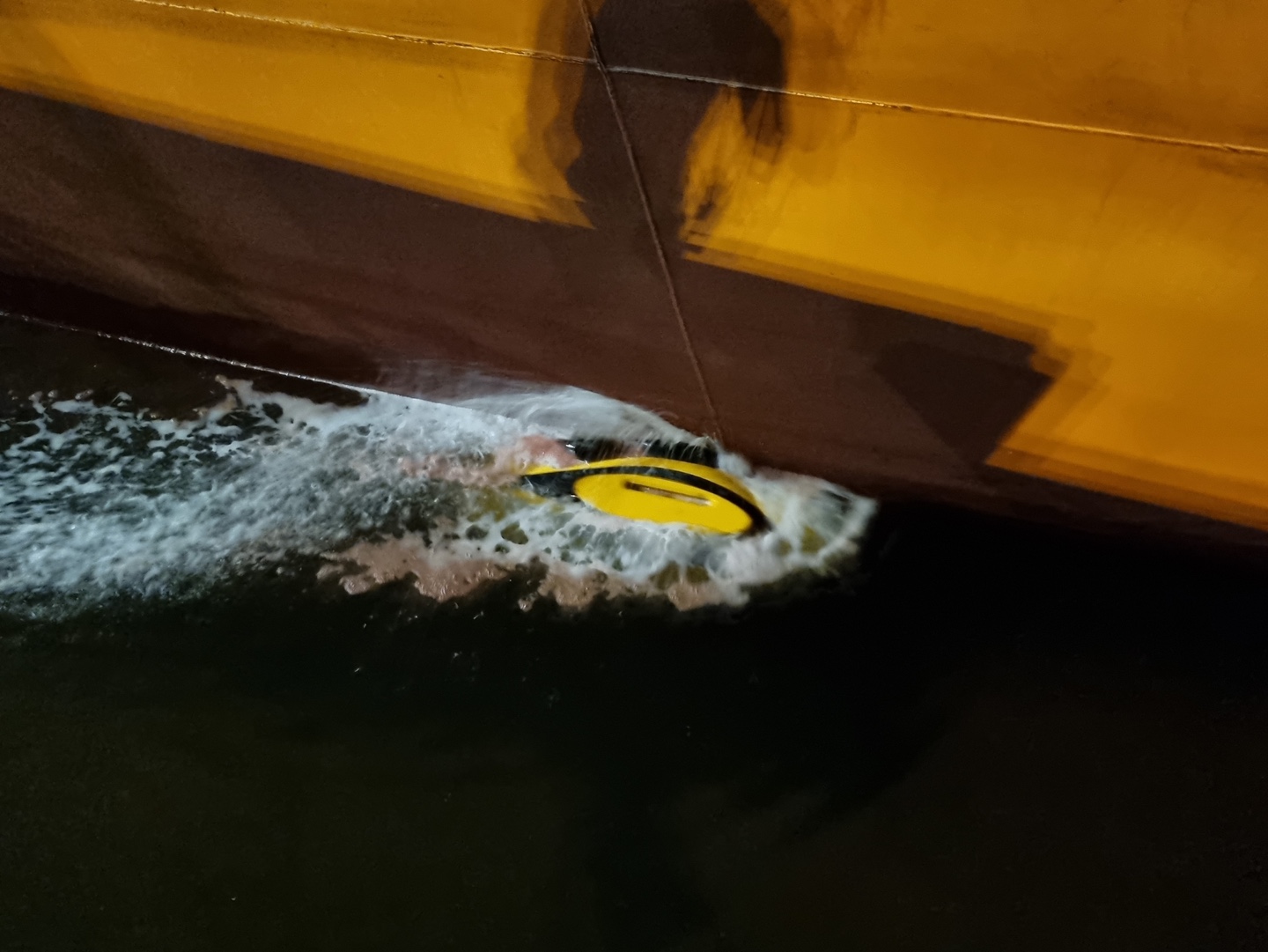
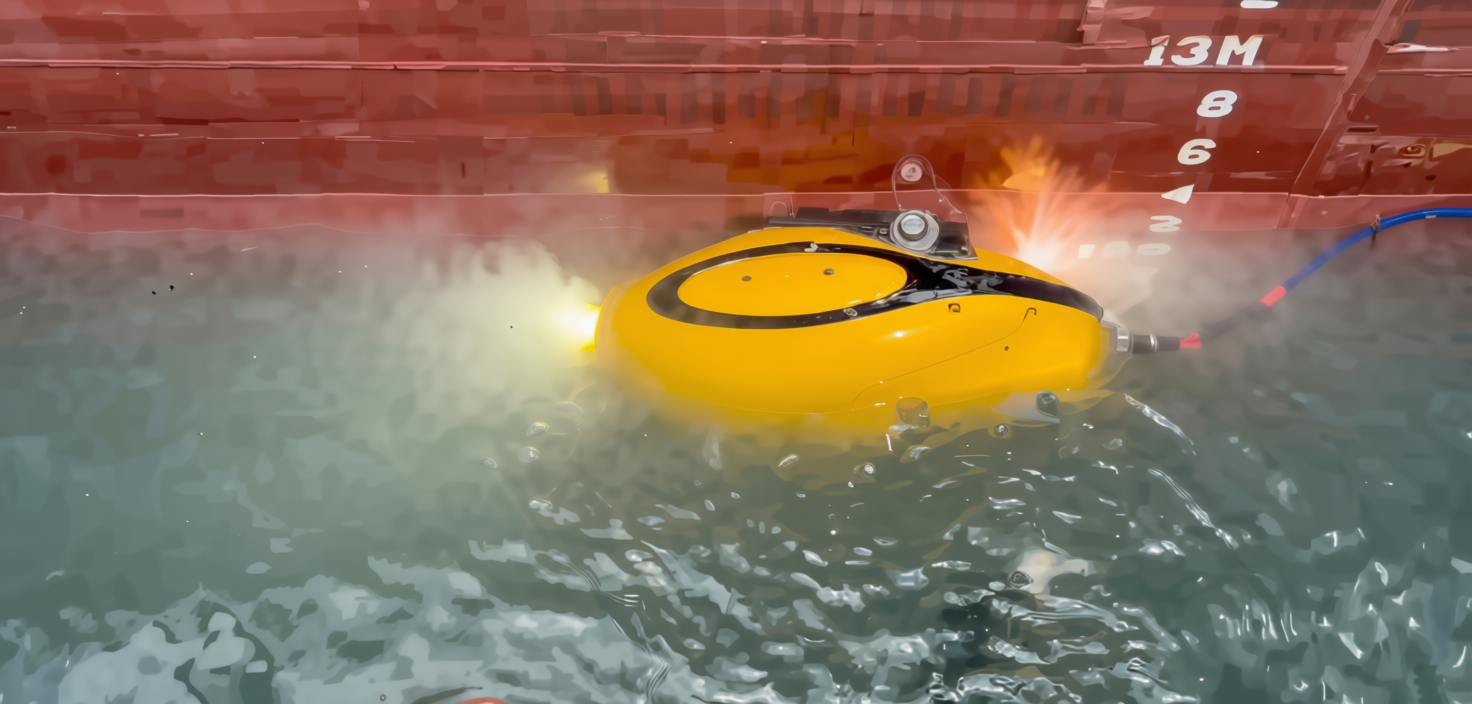
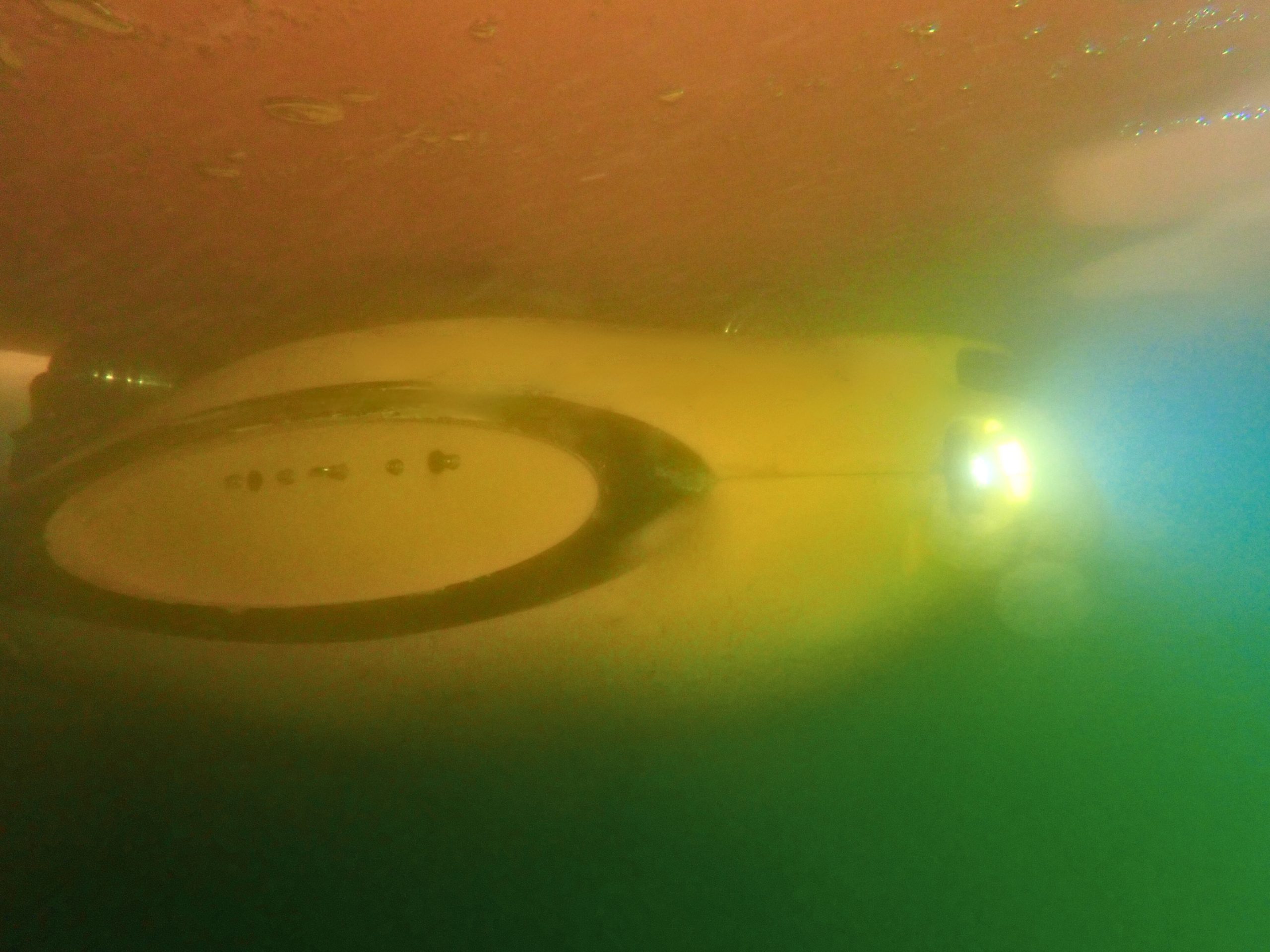
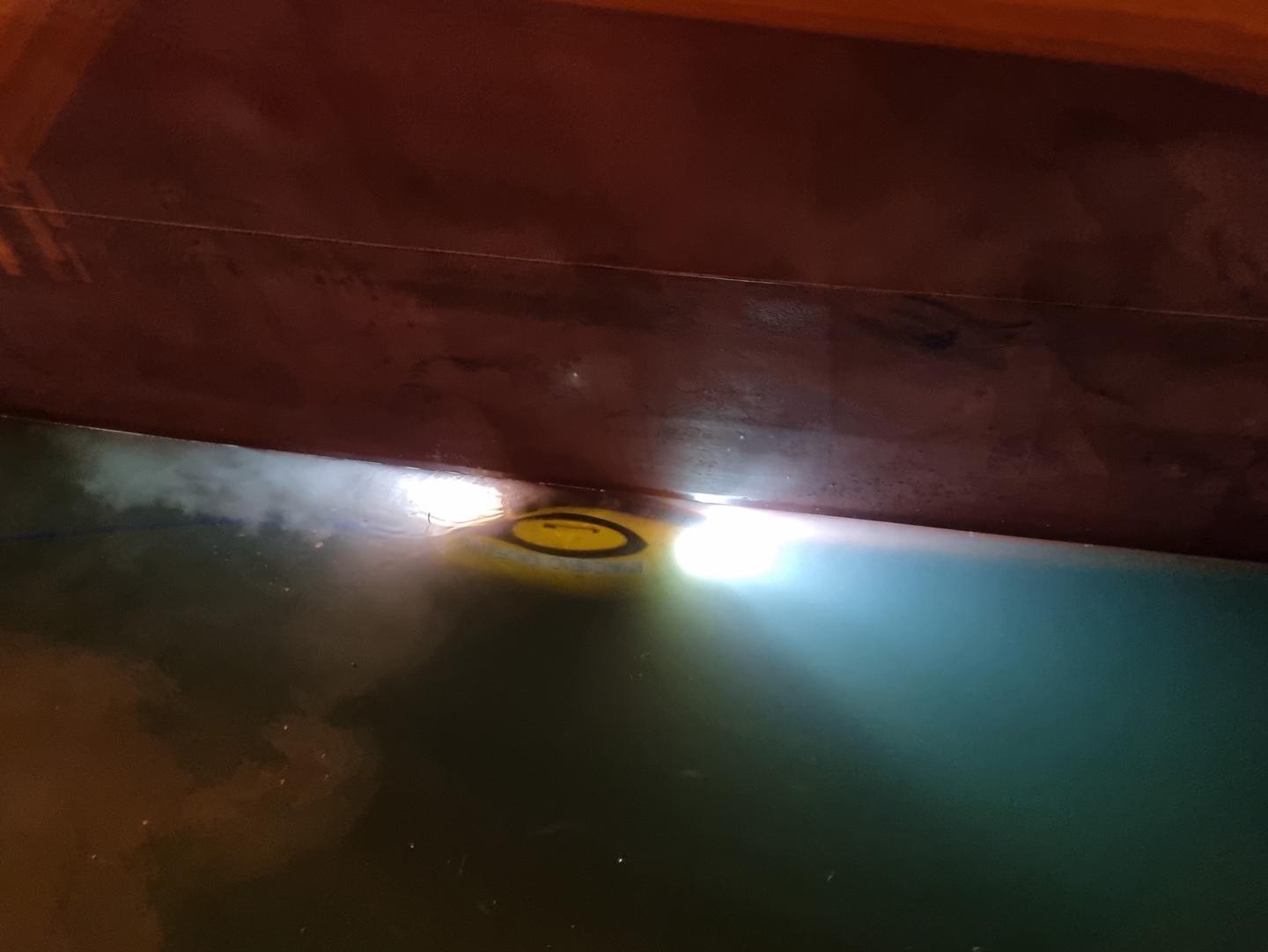
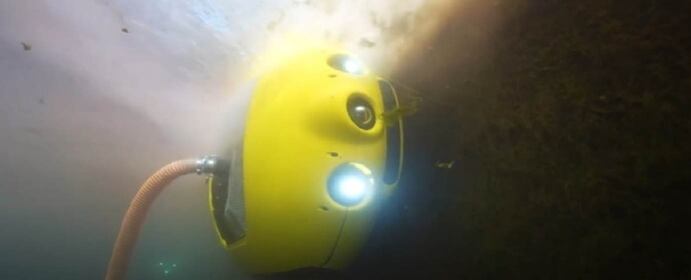
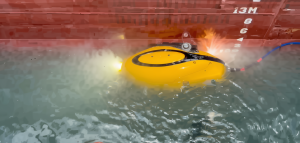
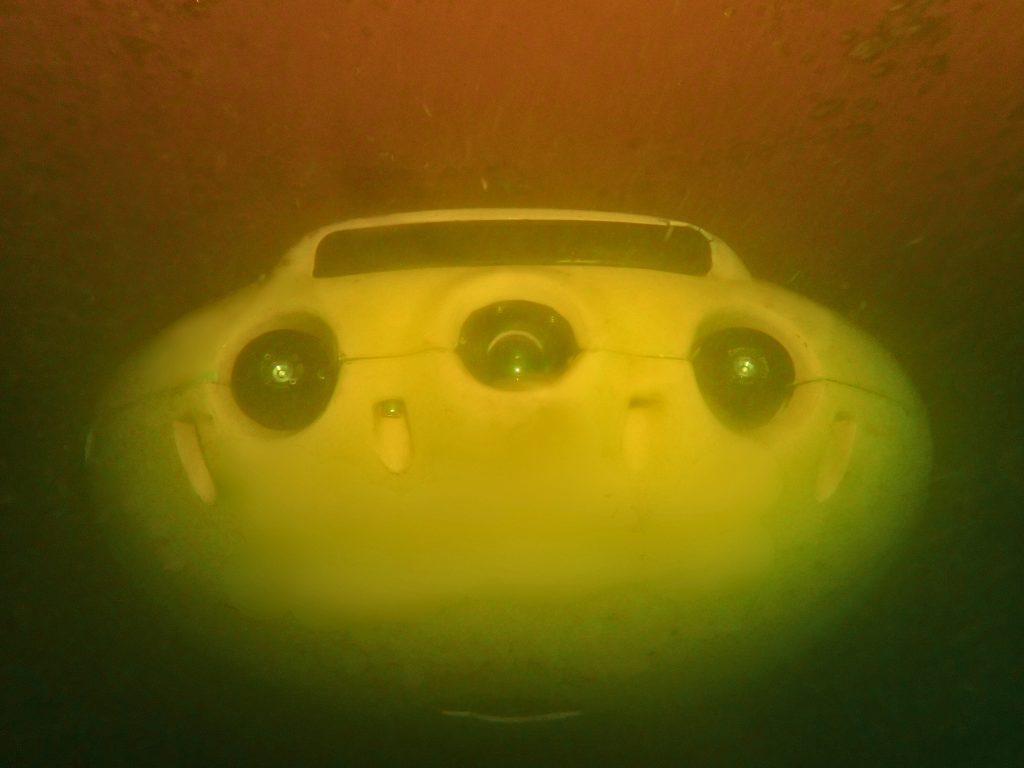
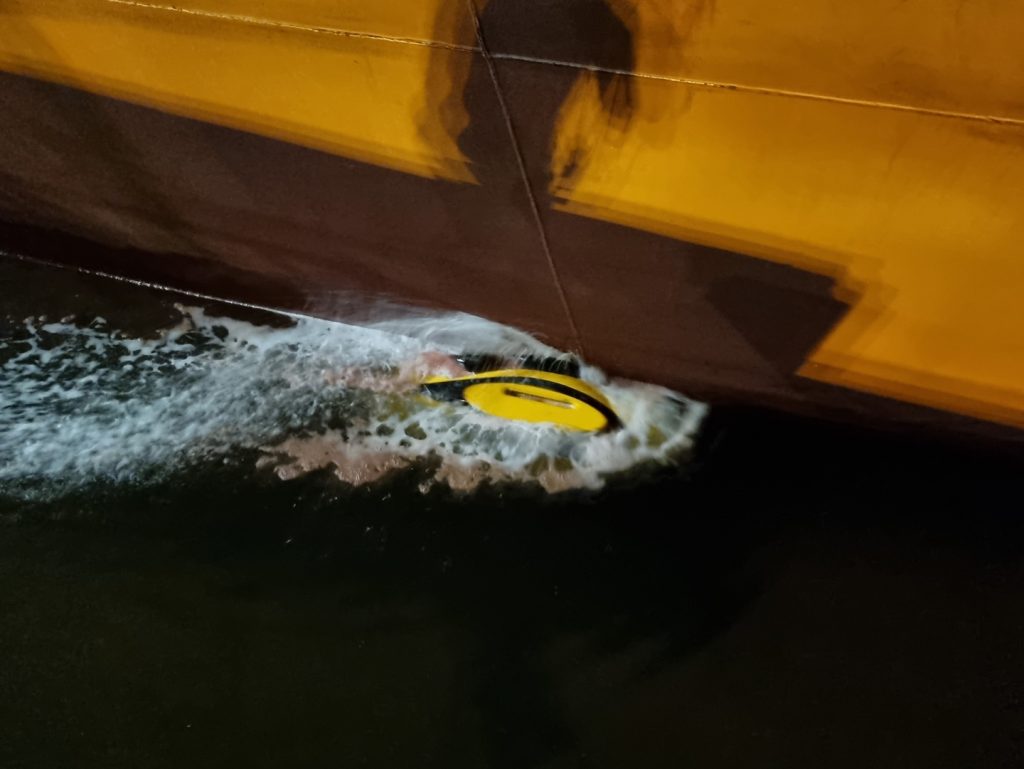
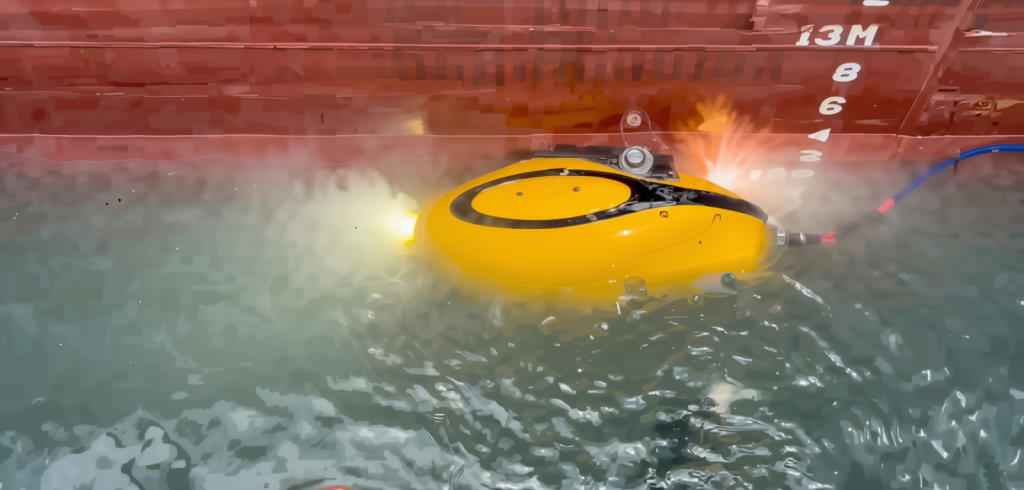
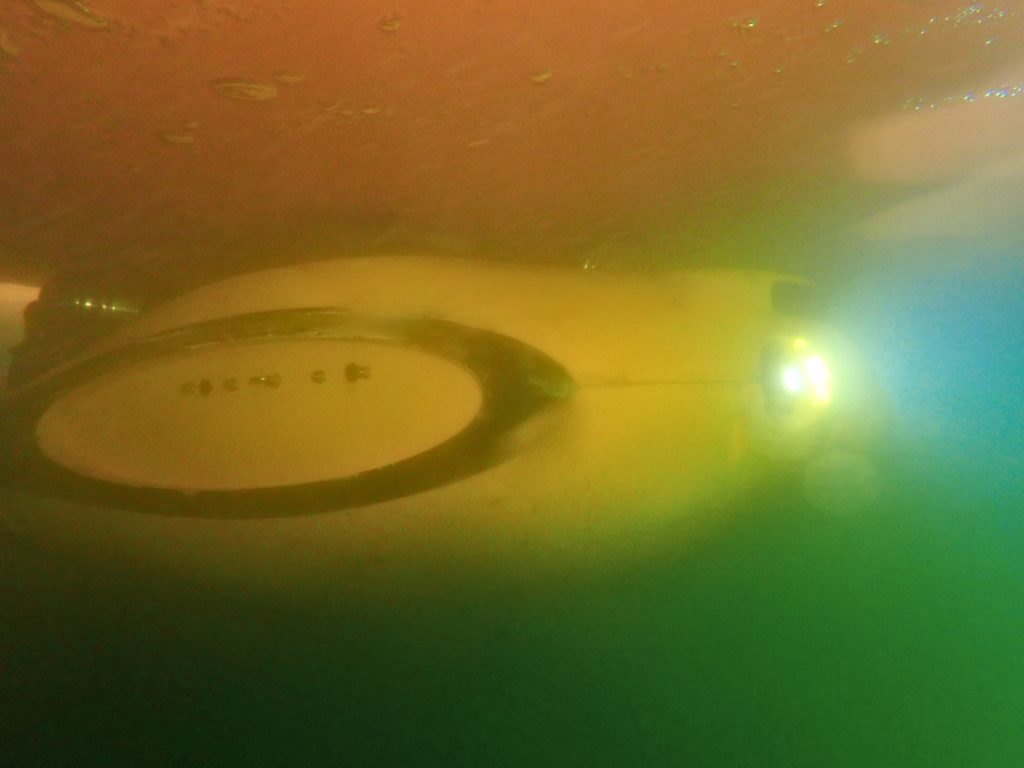
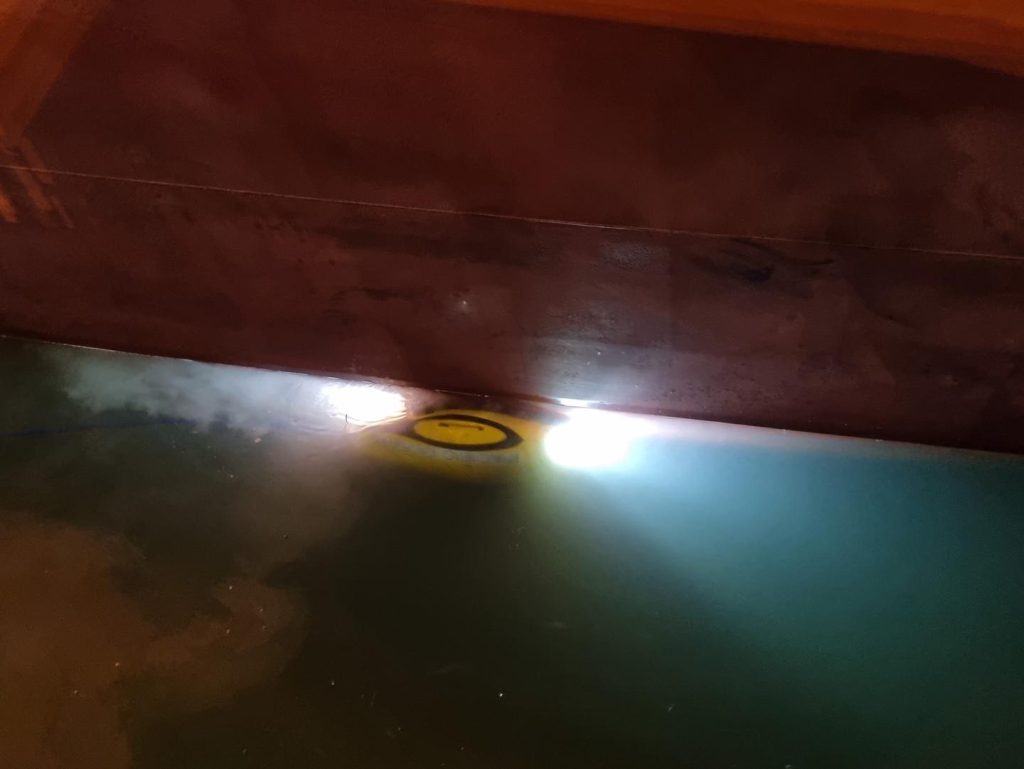
To complete the project efficiently, more than 20 professional commercial divers were mobilised alongside the CHIRO remotely operated vehicle (ROV) and specialised underwater cleaning equipment, enabling simultaneous underwater operations.
As the vessel was protected with a silicone hull coating, the cleaning methodology was carefully selected to maximise cleaning performance while protecting the integrity of the coating. Soft plastic brushes were used throughout the operation to effectively remove biofouling while minimising the risk of coating damage.
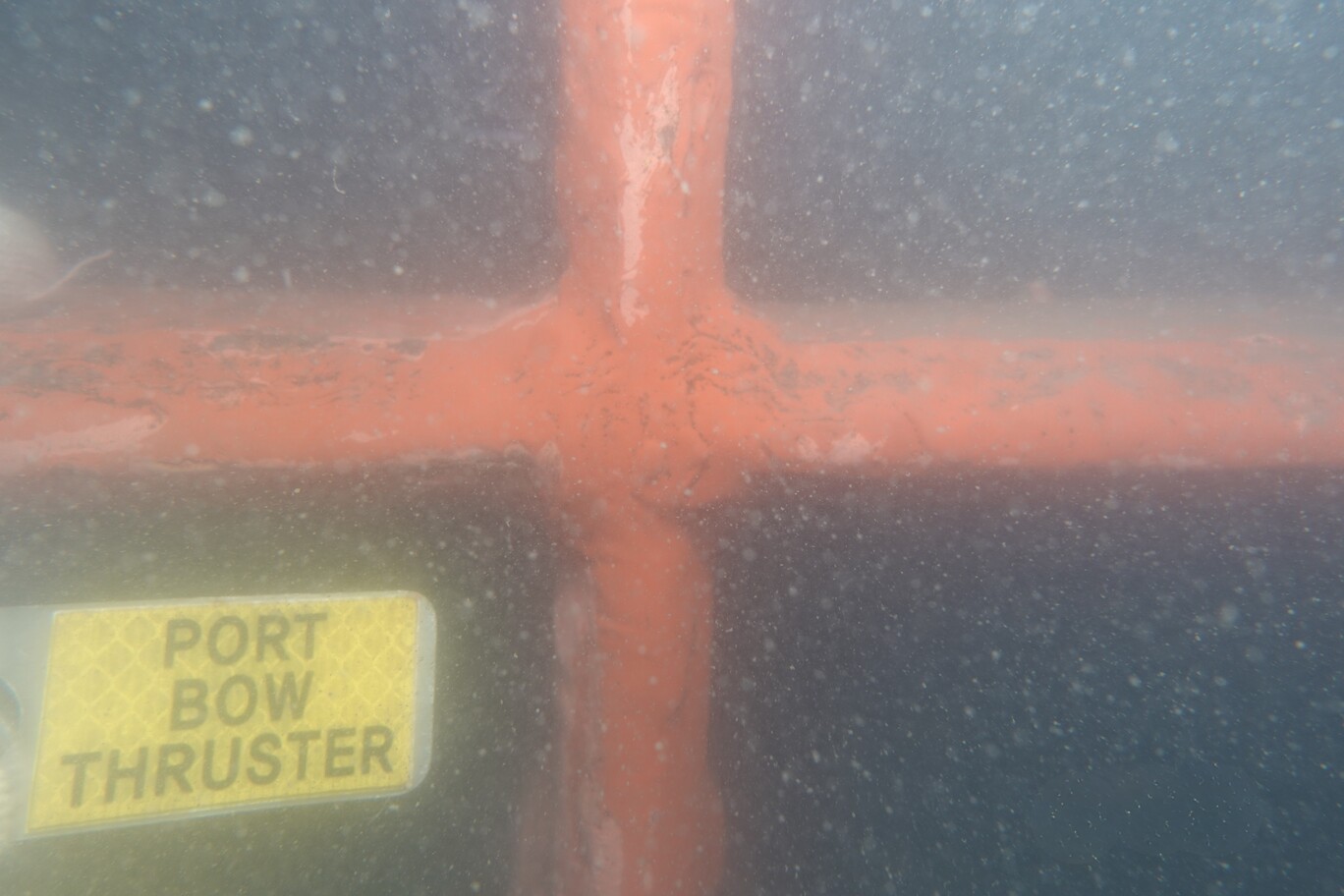
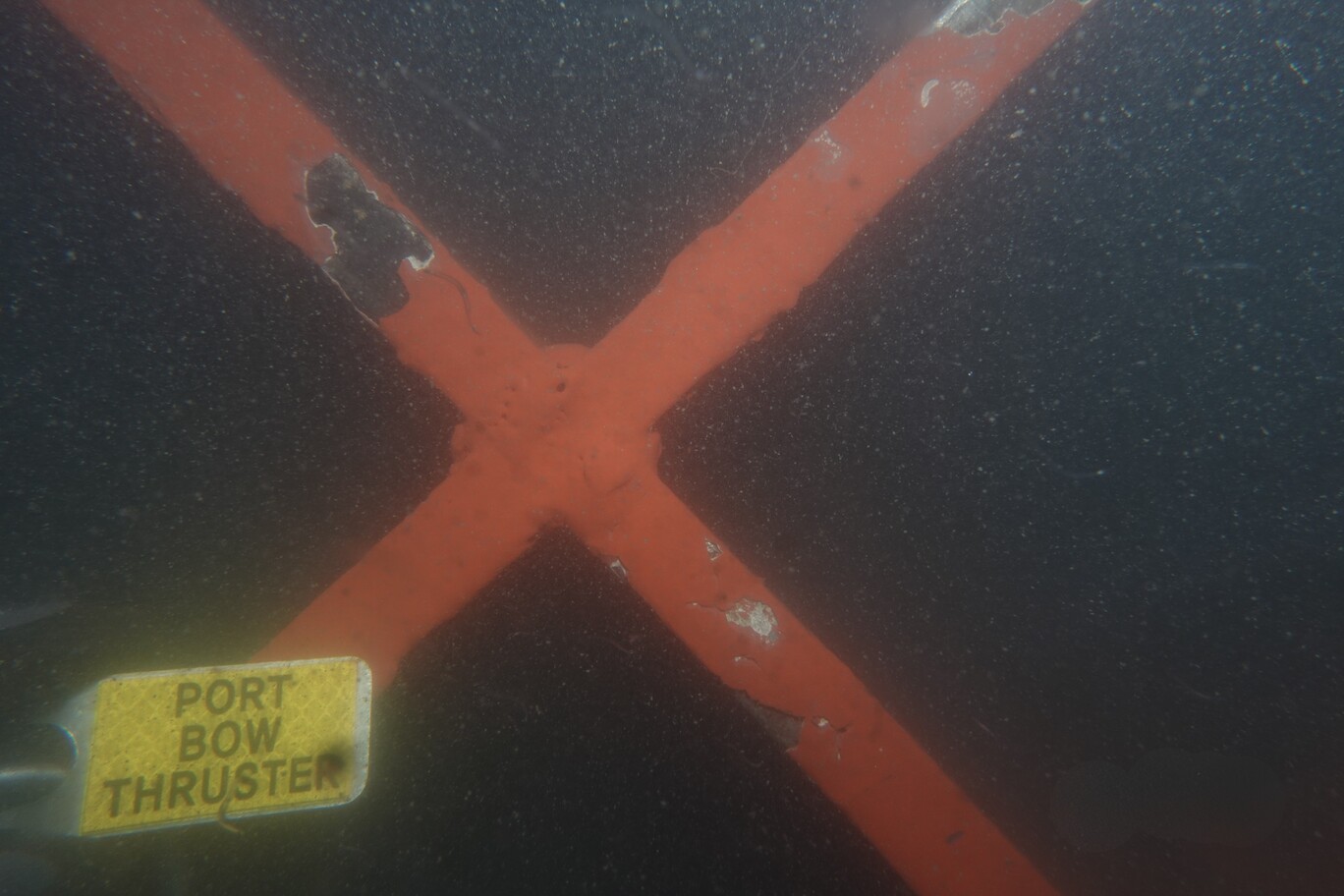
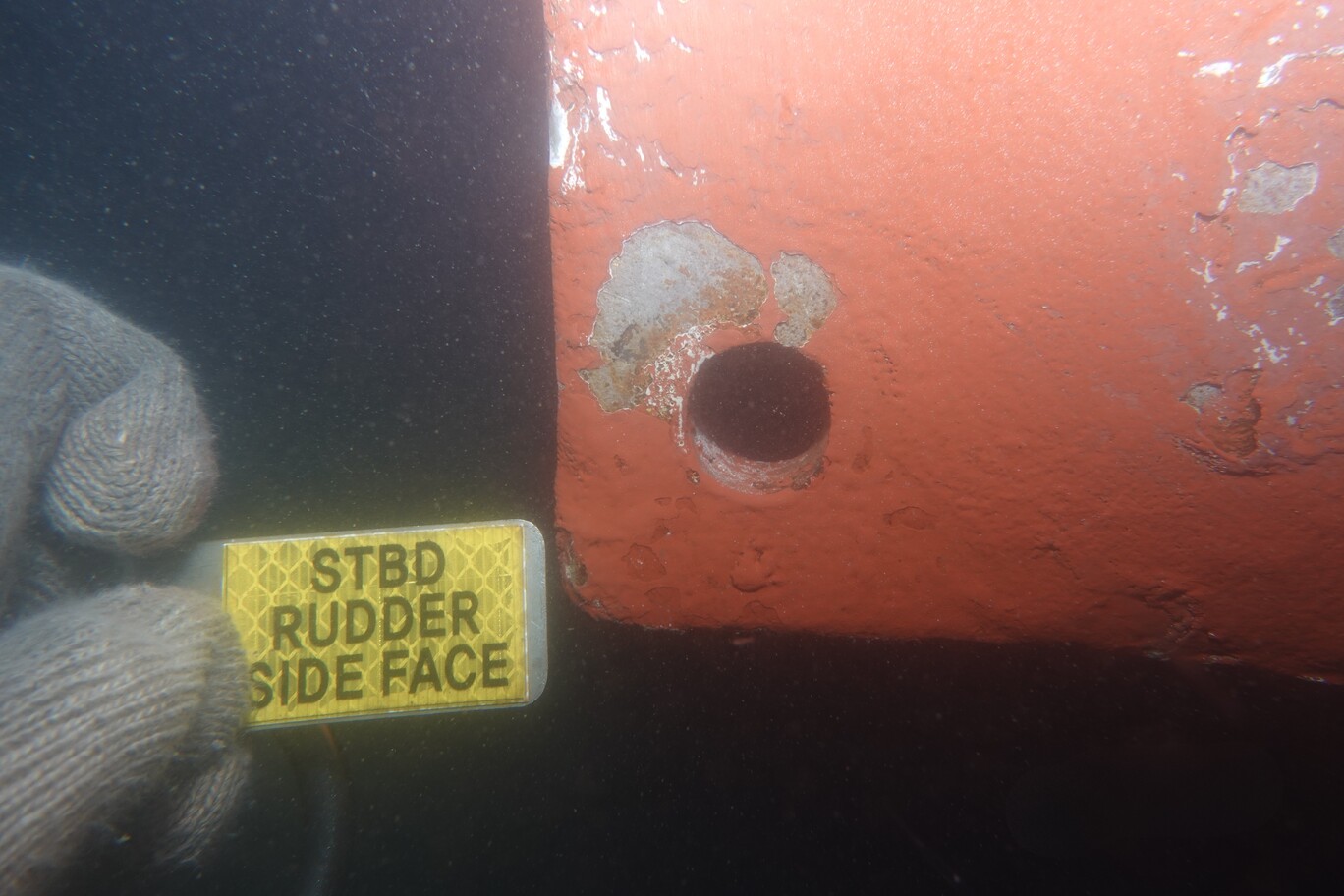
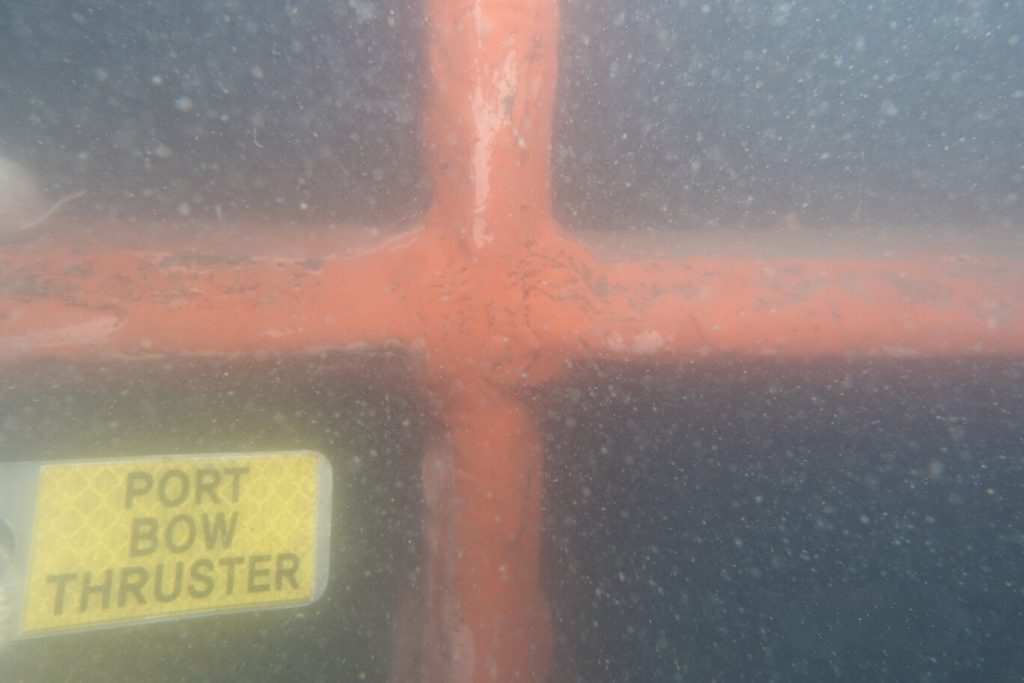
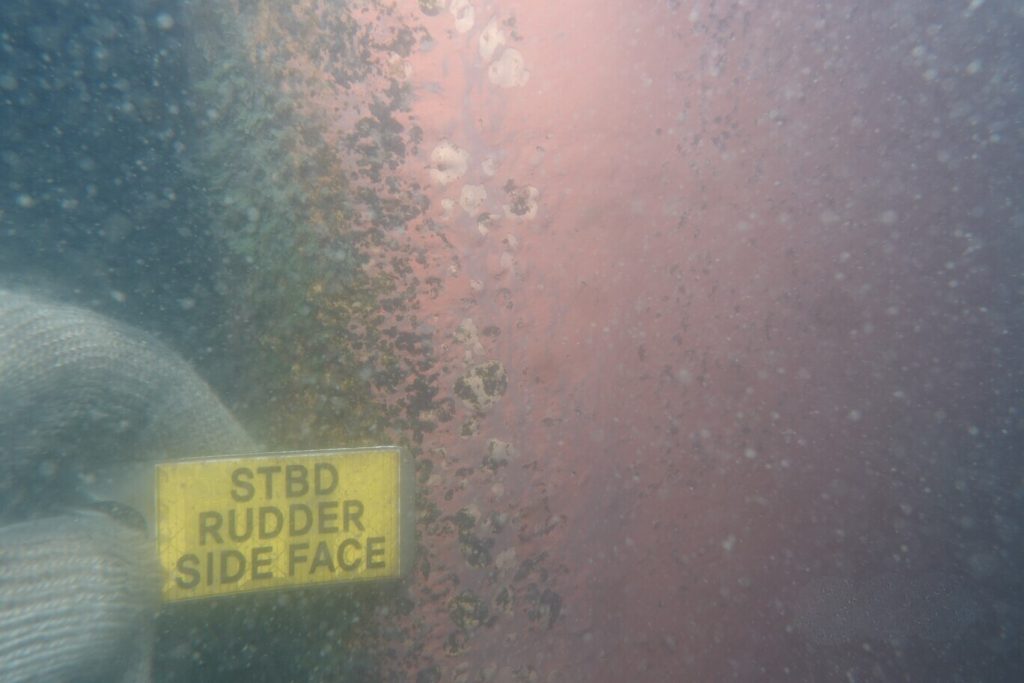
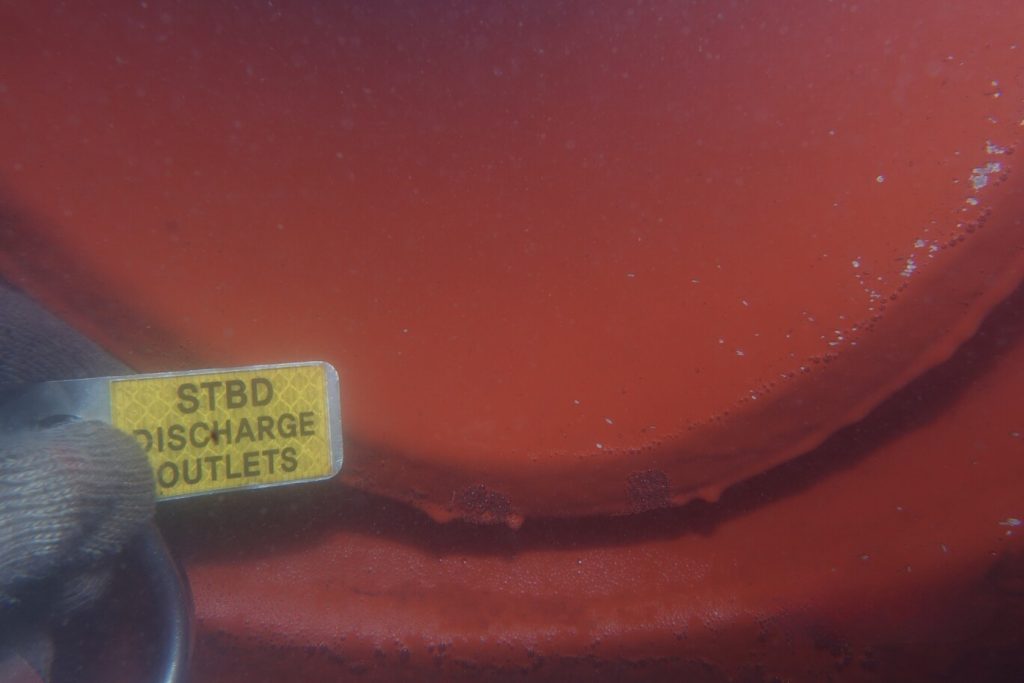
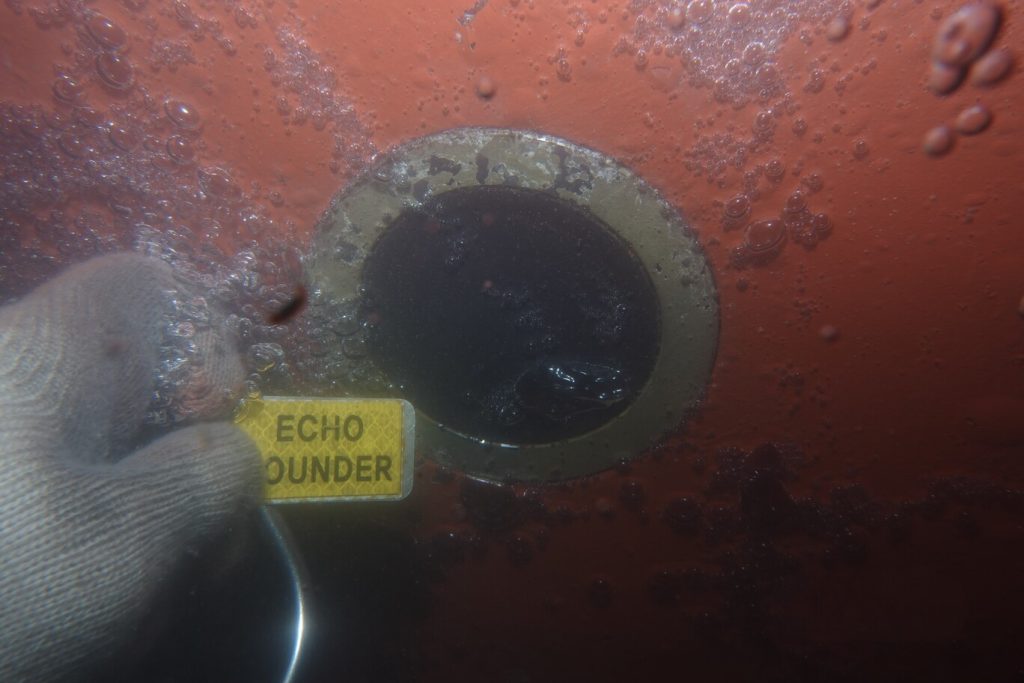
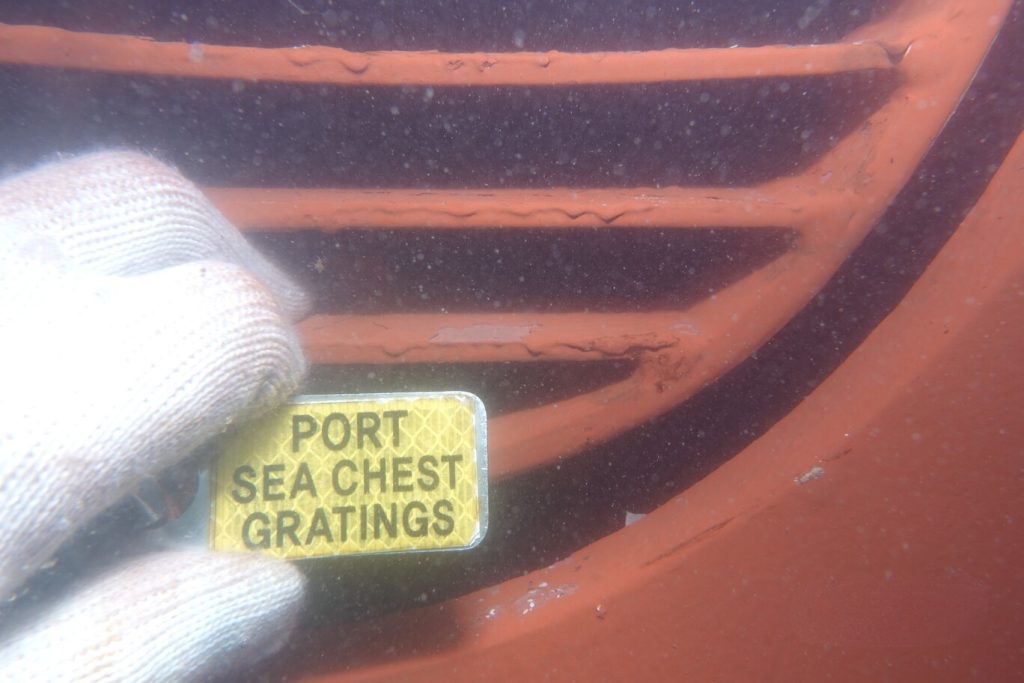
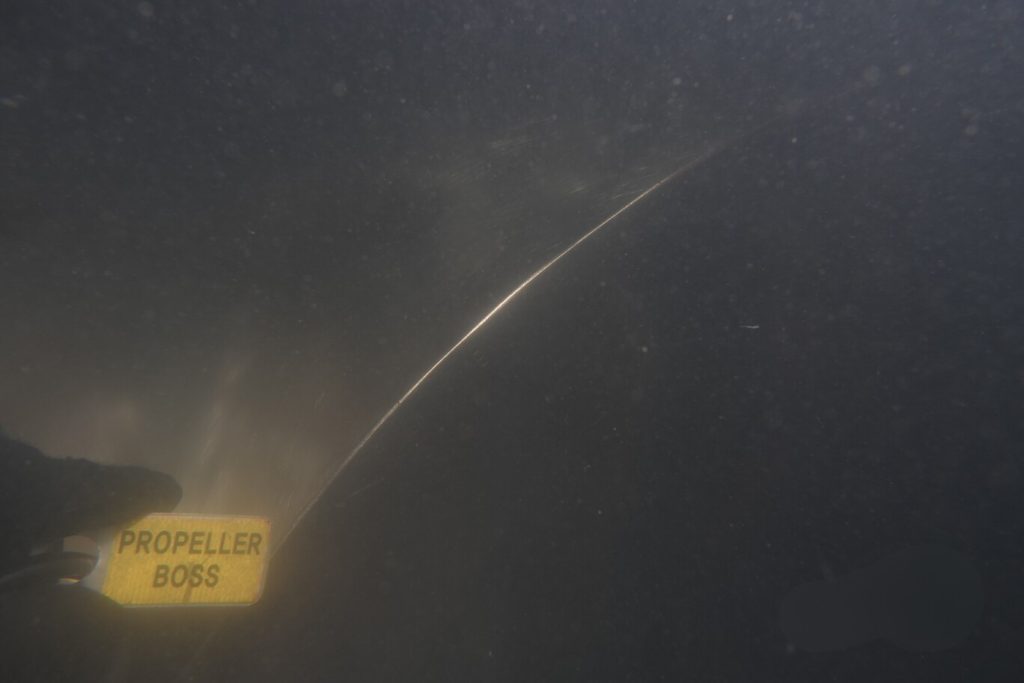
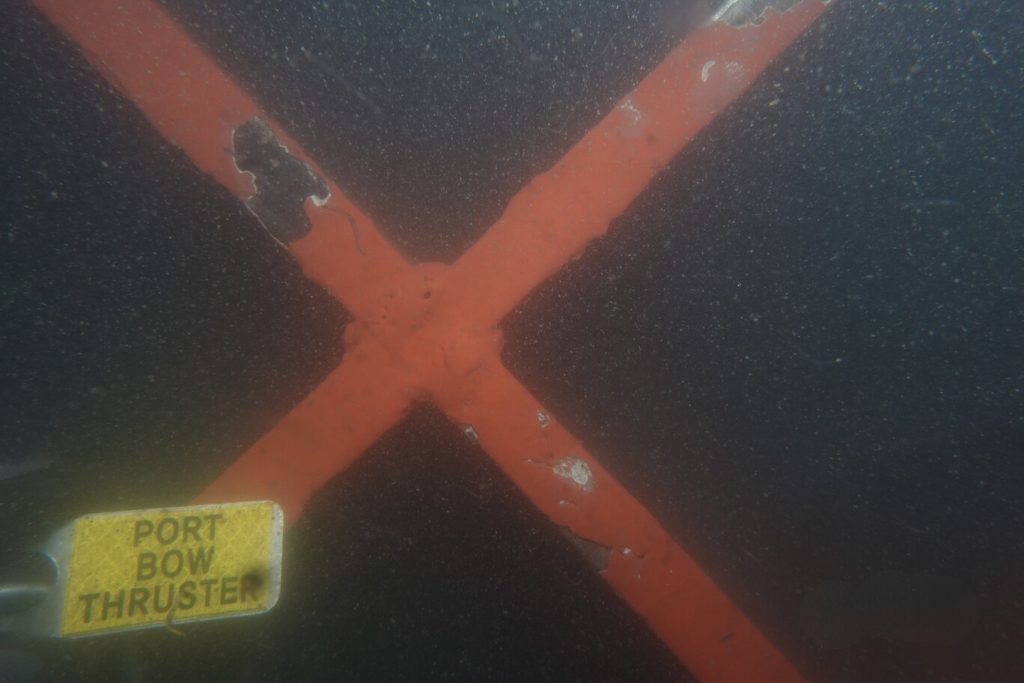
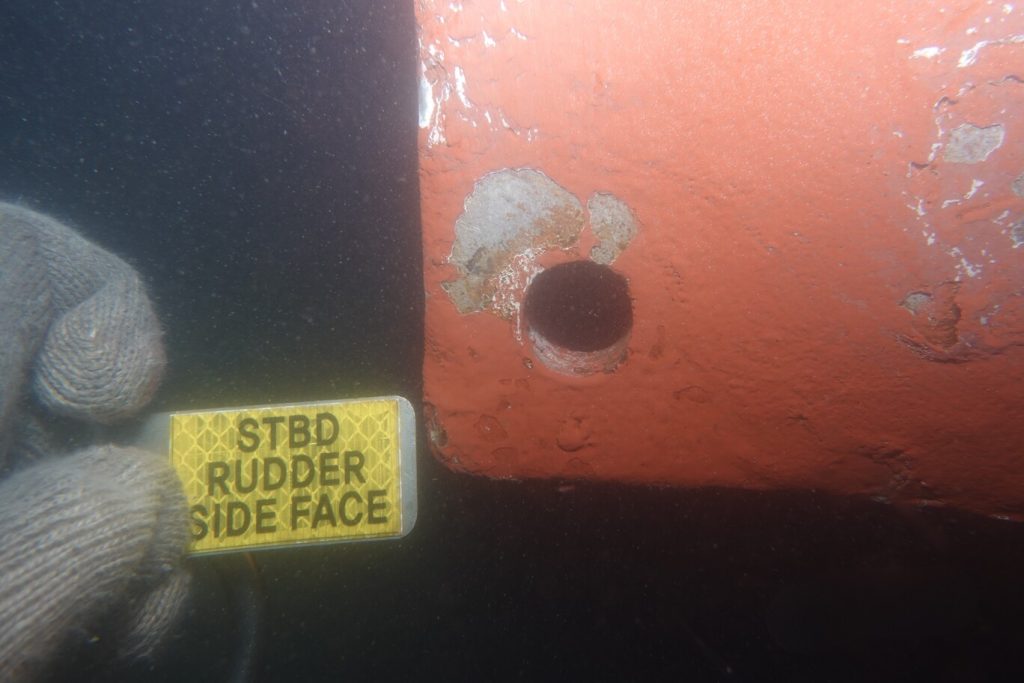
The project involved a complete underwater hull cleaning covering all underwater niche areas identified in the IMO Biofouling Guidelines, including the flat bottom, vertical sides, rudder, propeller, sea chests, thruster tunnels, and other niche areas.
Cleaning these often-overlooked areas is particularly important, as niche areas are recognised as high-risk locations for the accumulation and transfer of marine organisms.
Despite the vessel remaining heavily laden with a deep draft and limited underwater working clearance, the combined diver and ROV operation enabled the entire scope of work to be completed safely and efficiently within approximately 18 hours, without affecting the vessel’s operational schedule.
Inspection, Verification and Compliance Documentation
Following completion of the cleaning operation, our divers carried out a final underwater inspection to verify the condition of the hull. Comprehensive photographic documentation and high-definition video footage were captured across all treated areas before a detailed inspection report was submitted to the client to support the vessel’s biofouling management records.
The vessel subsequently proceeded on its voyage to Brazil.
Supporting Shipowners Trading to Environmentally Regulated Regions
 As biofouling regulations continue to evolve globally, vessel operators require experienced partners capable of delivering safe, efficient, and compliant underwater services.
With operational bases across Asia and Europe, supported by a global network of diving teams and advanced underwater technologies, Dive Marine Services provides underwater inspection, hull cleaning, propeller polishing, niche area cleaning, and maintenance solutions tailored to the operational requirements of shipowners worldwide.
Whether your vessel is preparing for a port call in Brazil, Australia, New Zealand, or another environmentally regulated region, our experienced teams are ready to help you meet evolving biofouling management requirements while minimising operational disruption.
Learn more about how we can support your vessels’ biofouling management when calling at ports in Australia and New Zealand:
https://dmgroupservices.com/biofouling-management-in-new-zealand-and-australia/
Talk To Our Team

With more than 30 years of executive leadership experience across the maritime, logistics, and port sectors, he has held senior positions including CEO of a container terminal and executive leadership roles within major shipping and logistics organisations. His strategic leadership and extensive industry knowledge continue to strengthen DM Group Services' presence throughout the region.
Eugene’s responsibilities include business development and performance of the company’s business. He has spear headed the diversification of businesses and developed the various subsidiaries within the Group.